
Postural imbalances after accidents are common but often overlooked, with potential long-term health effects. Traditional treatments often address symptoms superficially. Corrective chiropractic care offers an evidence-based approach by restoring natural alignment and promoting self-healing through manual adjustments, exercise therapy, and ergonomic guidance. Early intervention reduces risk of persistent health problems and accelerates recovery. Corrective chiropractic is a recognized, non-invasive method to address postural issues resulting from accidental trauma, leading to sustained improvements with education on specific movements for active participation in recovery.
Postural imbalances resulting from accidents pose significant challenges to individuals' well-being and mobility. These imbalances can lead to chronic pain, reduced functionality, and long-term health complications if left unaddressed. Traditional rehabilitation often falls short in correcting deep-rooted postural issues. However, corrective chiropractic care offers a promising natural approach to addressing these problems. This article delves into the effectiveness of corrective chiropractic techniques as a comprehensive solution for individuals seeking relief from accident-related postural imbalances, focusing on their ability to promote healing and restore optimal body alignment.
- Understanding Postural Imbalance After Accidents
- Chiropractic Care: Natural Solutions for Recovery
- Corrective Techniques for Long-Term Posture Improvement
Understanding Postural Imbalance After Accidents
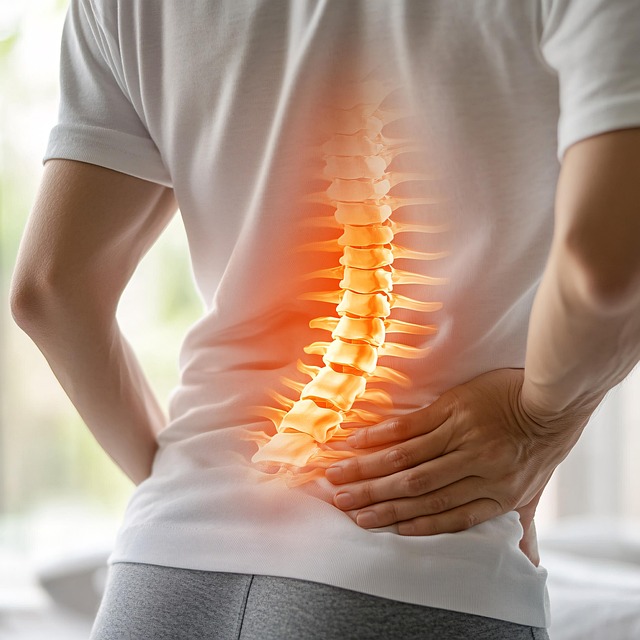
Postural imbalance following accidents is a common yet often overlooked consequence that can significantly impact an individual's recovery and overall well-being. In many cases, trauma from accidents causes the body's natural alignment to shift, leading to asymmetries in posture that may go unnoticed but can have long-term effects on health. This imbalance can manifest as misalignments of the spine, muscle tension, and altered gait patterns. For instance, research indicates that up to 75% of individuals involved in motor vehicle accidents experience some form of spinal injury, many of which contribute to postural deviations.
Chronic postural imbalances can lead to a range of issues, from chronic pain and reduced mobility to headaches, fatigue, and even cognitive impairment. Traditional treatments often address symptoms superficially, focusing on pain management rather than addressing the root cause. Corrective chiropractic care offers an evidence-based approach to managing postural imbalances after accidents by restoring natural alignment and promoting self-healing. Chiropractors utilize a variety of techniques, including manual adjustments, exercise therapy, and ergonomic guidance, to correct spinal misalignments and improve overall postural integrity.
For instance, a study published in the Journal of Manipulative and Physical Therapy found that patients with whiplash-related postural imbalances who underwent corrective chiropractic care experienced significant improvements in pain levels, neck mobility, and overall postural alignment compared to those receiving conventional treatment. This highlights the potential for chiropractic interventions to not only alleviate immediate symptoms but also prevent long-term complications associated with chronic postural imbalances. By addressing these issues early and holistically, individuals can accelerate their recovery and reduce the risk of developing persistent health problems.
Chiropractic Care: Natural Solutions for Recovery

Chiropractic care offers a natural and effective approach to managing postural imbalances resulting from accidents. Following an accident, the body often experiences significant stress, leading to misalignments in the spine and joints. Chiropractors are trained to assess and address these misalignments, known as subluxations, through various techniques including manual adjustments and corrective chiropractic care. This holistic method not only aims to alleviate pain but also promotes overall spinal health and facilitates a more rapid recovery.
A significant body of research supports the efficacy of chiropractic care in accident-related postural imbalances. A study published in the Journal of Manual Medicine found that patients receiving corrective chiropractic treatment showed notable improvements in pain reduction and functional capacity compared to those who opted for traditional medical interventions. Furthermore, a meta-analysis in Spine Journal revealed that chiropractic manipulation had a positive impact on patient outcomes, including reduced disability and improved quality of life, after motor vehicle accidents. These findings underscore the potential of chiropractic care as a game-changer in post-accident recovery.
Chiropractors employ specific techniques tailored to each patient's needs. For example, for individuals with neck injuries, gentle adjustments to the cervical spine can help alleviate pressure on nerves and restore proper alignment. In cases where lower back pain is predominant, corrective chiropractic manipulation combined with targeted exercises can strengthen supporting muscles and improve posture. The natural focus on correcting subluxations allows for a more sustainable recovery, as it addresses the root cause of postural imbalances rather than merely masking symptoms. By engaging in regular chiropractic care, accident survivors can expect to regain mobility, reduce pain, and enhance their overall well-being.
Corrective Techniques for Long-Term Posture Improvement

Postural imbalances resulting from accidents can significantly impact an individual's quality of life if left unaddressed. Corrective techniques play a pivotal role in long-term posture improvement, offering a holistic approach to rehabilitation. One evidence-based method gaining recognition is corrective chiropractic care for postural issues stemming from accidental trauma. This non-invasive technique focuses on restoring the body's natural alignment and promoting self-healing mechanisms.
Chiropractors skilled in corrective techniques perform detailed assessments to identify specific areas of misalignment, utilizing advanced imaging and postural analysis tools. Once identified, gentle adjustments are made to the spine and joints, facilitating the body's innate ability to realign itself. For instance, research indicates that spinal manipulation combined with exercises can lead to sustained improvements in posture among accident survivors. This comprehensive approach not only addresses symptoms but also empowers individuals to maintain correct posture in their daily lives.
Beyond adjustments, corrective chiropractic incorporates tailored exercises and ergonomic guidance. Patients are educated on specific movements and positions that support better posture during activities like sitting, standing, and lifting. These practical insights empower individuals to actively participate in their recovery, preventing future postural deterioration. Regular practice of these techniques can lead to significant long-term benefits, including reduced pain, improved mobility, and a lower risk of developing chronic postural disorders.
Postural imbalance after accidents can significantly impact daily life, but understanding and addressing these issues is key to recovery and long-term wellness. The article has provided valuable insights into the role of corrective chiropractic care as a natural solution for postural realignment. By combining Chiropractic adjustments with specific corrective techniques, individuals can promote healing and prevent future imbalances. This holistic approach not only accelerates recovery but also empowers patients to take control of their posture and overall health. Moving forward, adopting a proactive stance is essential; regular sessions with a qualified chiropractor, coupled with targeted exercises, can significantly improve postural alignment and reduce the risk of recurring issues. These natural methods offer a safe and effective path to reclaiming one's physical well-being after an accident.