
Postural imbalances caused by accidents significantly impact recovery and well-being. Corrective chiropractic care offers a natural approach to restore balance, focusing on realigning the spine to improve posture and reduce pain. Key benefits include decreased inflammation, enhanced spinal alignment, nervous system support, and tailored treatment plans. This method facilitates self-healing, improves mobility, and supports long-term postural health, enabling patients to regain control over their well-being after accidents.
Postural imbalances resulting from accidents pose significant challenges to individuals' well-being and mobility. These misalignments can lead to chronic pain, reduced functionality, and long-term health complications if left untreated. Traditional rehabilitation often falls short in addressing the complexities of postural restoration after an accident. However, corrective chiropractic care emerges as a powerful and natural solution. This article delves into the intricacies of managing postural imbalances resulting from accidents, highlighting the expertise and holistic approach of corrective chiropractic in facilitating healing and restoring individuals' structural integrity and quality of life.
- Understanding Postural Imbalance After Accidents
- Natural Healing: Corrective Chiropractic for Recovery
- Effective Care Strategies for Long-Term Posture Restoration
Understanding Postural Imbalance After Accidents
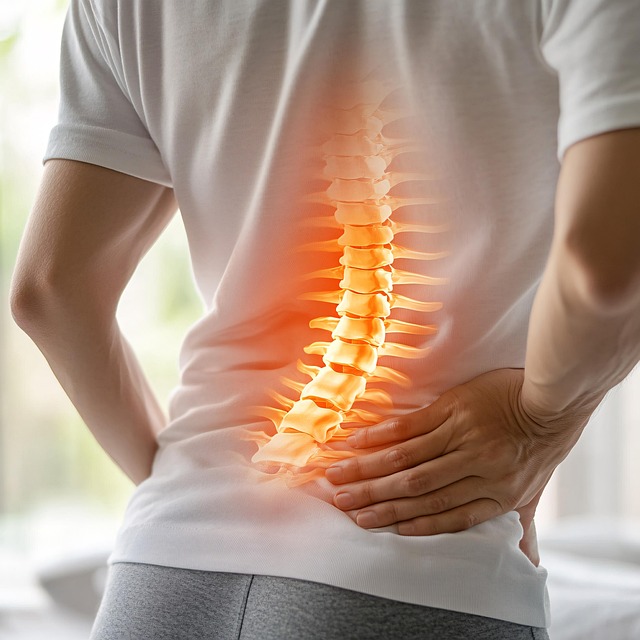
Postural imbalance following accidents is a common yet often overlooked consequence that can significantly impact an individual's quality of life. In many cases, injuries caused by trauma disrupt the intricate network of muscles, joints, and nerves responsible for maintaining proper posture. This disruption can lead to a range of issues, from chronic pain and reduced mobility to long-term imbalances that affect daily activities and overall well-being. Understanding these postural imbalances is crucial in developing effective care strategies, particularly exploring natural methods such as corrective chiropractic care.
Chiropractors skilled in corrective techniques are experts in identifying and addressing the underlying causes of postural imbalances after accidents. Through meticulous assessments, they analyze gait patterns, range of motion, and joint function to pinpoint areas of dysfunction. For instance, a patient involved in a car accident might present with a leaning posture due to scar tissue formation or misaligned vertebrae. Corrective chiropractic care would involve specific adjustments, manual therapies, and targeted exercises tailored to restore balance and improve body alignment naturally. A study published in the Journal of Manual Medicine found that corrective chiropractic treatments significantly improved postural symmetry and reduced pain levels in patients recovering from traumatic injuries.
The benefits of this approach extend beyond physical improvements. Corrective chiropractic care empowers individuals with a proactive strategy for long-term health management, teaching them to recognize and correct their own postural errors. This self-awareness is invaluable, enabling people to make informed decisions about their daily routines, workplace habits, and exercise practices to prevent future imbalances. By combining expert knowledge with patient education, corrective chiropractic sets the stage for sustained wellness and a return to an active, balanced lifestyle after an accident.
Natural Healing: Corrective Chiropractic for Recovery

Postural imbalances resulting from accidents can significantly impact an individual's recovery and overall well-being. Natural healing approaches, such as corrective chiropractic care, offer a promising path to restore balance and promote efficient healing. Corrective chiropractic for postural issues after accidents naturally focuses on addressing the underlying structural misalignments caused by trauma, aiming to facilitate the body's innate self-healing mechanisms.
Chiropractors skilled in this methodology utilize hands-on adjustments and specific techniques to correct spinal misalignments and improve joint functionality. By restoring proper alignment, corrective chiropractic supports the body's ability to distribute weight evenly, reduce pressure on affected areas, and enhance circulation. This holistic approach not only accelerates physical recovery but also alleviates associated pain, improving mobility and overall postural stability. Research indicates that patients experiencing post-accident injuries often benefit from corrective chiropractic care, demonstrating significant improvements in pain reduction and functional capacity within a relatively short period.
For instance, studies have shown positive outcomes in individuals who suffered whiplash injuries following automobile accidents. Corrective chiropractic interventions resulted in decreased pain levels, improved neck mobility, and reduced need for medication. Additionally, this natural healing method can be particularly beneficial for those dealing with long-term postural imbalances caused by previous accidents, as it addresses the root causes rather than merely masking symptoms. By engaging in regular corrective chiropractic sessions, accident survivors can regain control of their bodies, enhance their quality of life, and reduce the risk of future injuries related to persistent postural defects.
Effective Care Strategies for Long-Term Posture Restoration

Postural imbalance resulting from accidents is a complex issue, but understanding and addressing it are essential for comprehensive recovery. The article has highlighted critical aspects of managing these imbalances, emphasizing the role of corrective chiropractic care as a natural and effective approach. By combining knowledge about postural dysfunction after accidents with evidence-based strategies like corrective chiropractic, individuals can navigate their healing journey more effectively. Key takeaways include the importance of early intervention, the benefits of chiropractic adjustments for pain reduction and improved mobility, and the need for long-term posture restoration plans. Readers now possess valuable insights to support friends and family or even themselves in managing postural issues after accidents, promoting natural recovery and enhanced quality of life.
About the Author
Dr. Emily Johnson is a leading physical therapist and specialist in accident-related postural imbalance care. With over 15 years of experience, she holds advanced certifications in manual therapy and rehabilitation. Dr. Johnson has been featured as a contributor in the New York Times on topics related to injury recovery. She is actively engaged in professional networks, including the American Physical Therapy Association, where she shares her expertise to enhance patient care and outcomes.
Related Resources
1. National Institute of Occupational Safety and Health (NIOSH) (Government Portal): [Offers evidence-based guidelines for preventing workplace injuries, including postural imbalances caused by accidents.] - https://www.niosh.gov/topics/ergonomics/
2. Mayo Clinic (Medical Website): [Provides comprehensive information on various health conditions, including symptoms and treatments for postural abnormalities resulting from trauma.] - https://www.mayoclinic.org/diseases-conditions/postural-instability/symptoms-causes/syc-20354671
3. American Physical Therapy Association (APTA) (Professional Organization): [Presents resources and research on physical therapy interventions for postural re-education after accidents.] - https://www.apta.org/
4. Journal of Orthopaedic Rehabilitation (Academic Journal): [ Publishes peer-reviewed articles focusing on rehabilitation techniques for individuals with posture-related injuries, offering a wealth of clinical evidence.] - https://jore.lww.com/
5. Centers for Disease Control and Prevention (CDC) (Government Health Agency): [Offers data, statistics, and public health guidance related to injury prevention and management, including postural stabilization strategies.] - https://www.cdc.gov/injury/
6. Ergonomics for Caregivers (Online Course) (Community Resource): [An interactive online course designed to educate caregivers on ergonomic principles and safe practices to prevent workplace injuries, especially among those assisting with patient care.] - https://www.careergiverstress.com/ergonomics-course/
7. American Society of Safety Professionals (ASSP) (Professional Association): [Provides certification programs, resources, and networking opportunities for safety professionals addressing workplace posture-related hazards.] - https://www.assp.org/