
Posture correction through corrective chiropractic is crucial for recovering from car crash injuries, addressing pain, and improving alignment. Chiropractors use specialized techniques like spinal adjustments and exercises to realign the spine, leading to significant pain reduction and improved function compared to conventional treatments. Consulting a qualified chiropractor for an individualized plan is essential for natural, effective management of postural issues after accidents, promoting long-term health.
Posture correction after a car crash is a critical aspect of rehabilitation often overlooked. Motor vehicle accidents can cause significant postural imbalances, leading to chronic pain and reduced mobility. Traditional treatments may involve invasive procedures or lengthy physical therapy. However, corrective chiropractic care offers a natural and effective solution for addressing these postural issues. This article delves into the science behind chiropractic adjustments, their role in restoring proper alignment, and how they can help individuals recover from whiplash and other common injuries sustained in accidents, promoting long-term health and well-being.
- Evaluating Posture After a Car Crash: Initial Steps
- Corrective Chiropractic Techniques for Optimal Recovery
- Natural Healing: Managing Long-Term Postural Issues
Evaluating Posture After a Car Crash: Initial Steps
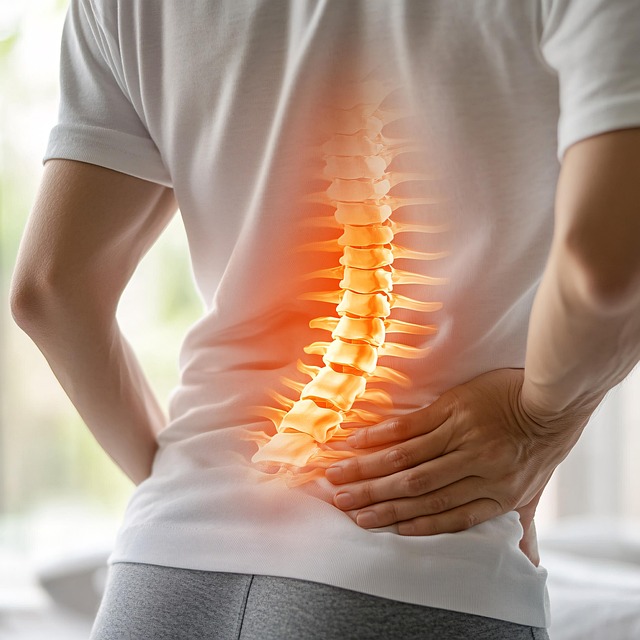
After a car crash, evaluating posture becomes an essential step in ensuring proper recovery. The initial assessment should focus on identifying postural issues resulting from the impact. Many victims may experience pain or discomfort in various muscle groups, affecting their overall balance and alignment. Chiropractors with specialized training in corrective chiropractic techniques play a crucial role here. They employ manual adjustments to restore spinal health, alleviate pressure on nerves, and correct postural imbalances caused by the accident.
During the initial evaluation, healthcare professionals consider factors like range of motion, muscle spasm severity, and sensory function. For instance, a study published in the Journal of Chiropractic Medicine found that patients who underwent corrective chiropractic care after motor vehicle accidents reported significant reductions in pain levels and improved postural alignment compared to those receiving conventional treatment alone. This highlights the potential benefits of incorporating such natural healing methods into rehabilitation plans.
Practical insights for patients include keeping a journal of symptoms and seeking immediate attention if severe pain or numbness persists. Regular sessions with a qualified chiropractor can help monitor progress, adjust treatments accordingly, and guide individuals through exercises to strengthen supporting muscles. By taking these proactive steps, individuals can accelerate their recovery process, regain control over their posture, and return to their regular activities more comfortably and confidently.
Corrective Chiropractic Techniques for Optimal Recovery

Posture correction after a car crash is a critical component of optimal recovery. In the immediate aftermath of an accident, the body often experiences significant trauma, leading to postural imbalances that can persist if left unaddressed. Corrective Chiropractic techniques offer a natural and effective approach to addressing these issues. These methods focus on realigning the spine and improving overall posture, which can significantly alleviate pain and enhance recovery.
One of the primary corrective chiropractic techniques involves spinal adjustments, where a chiropractor applies controlled force to specific joints in the spine. This gentle manipulation helps restore proper alignment, reducing pressure on nerves and promoting healing. For instance, research has shown that chiropractic care post-accident can lead to significant reductions in pain and disability within six weeks. Additionally, these adjustments can correct any misalignments caused by whiplash or other vehicular injuries, which are common after car crashes.
In conjunction with spinal adjustments, corrective chiropractic includes personalized exercise programs designed to strengthen core muscles and improve flexibility. These exercises target specific postural muscle groups often weakened or strained during an accident. By strengthening these muscles naturally, the body becomes more stable and balanced, further aiding in recovery. For example, a study published in the Journal of Chiropractic Medicine found that patients who received corrective chiropractic care along with exercise programs reported higher levels of functional improvement compared to those receiving traditional treatment alone.
Chiropractors also employ other modalities such as heat/ice therapy, electrical stimulation, and soft tissue therapy to complement their adjustments. These techniques help manage pain, reduce inflammation, and promote tissue healing. Integrating these corrective chiropractic methods can result in faster recovery times and improved long-term postural health. It is essential for individuals who have been in car accidents to consult with a qualified chiropractor to develop an individualized treatment plan that addresses specific postural issues naturally and effectively.
Natural Healing: Managing Long-Term Postural Issues

Posture correction after a car crash is a critical aspect of long-term recovery, especially for individuals experiencing persistent postural issues. Many victims of accidents may initially seek relief through emergency medical care, but managing ongoing postural problems often requires a more specialized approach. Natural healing techniques, particularly corrective chiropractic care, offer a holistic and non-invasive method to address these challenges.
Chiropractors trained in posture correction can identify specific misalignments or restrictions in the spine and joints that may have been caused by the impact of an accident. Through a series of gentle adjustments, they work to restore proper alignment and mobility, allowing the body's natural healing mechanisms to take effect. This method focuses on addressing the root causes of postural imbalances rather than merely treating symptoms. For example, research suggests that corrective chiropractic care can significantly improve posture-related pain and disability in individuals who have suffered from whiplash or other spinal injuries following accidents.
In addition to adjustments, chiropractors often incorporate other therapeutic modalities such as soft tissue therapy, exercise programs, and postural re-education to enhance the healing process. Patients are typically educated on maintaining good posture during daily activities, which can help prevent further deterioration of their spine and joints. This comprehensive approach encourages individuals to take an active role in their recovery, promoting long-term health and well-being. By combining expertise with a patient's commitment to care, corrective chiropractic can be an effective strategy for managing postural issues that often persist after car crashes.
Posture correction after a car crash is a multifaceted process that requires immediate attention as well as long-term management. Key insights from this article underscore the importance of evaluating posture following an accident, utilizing corrective chiropractic techniques for optimal recovery, and adopting natural healing methods to address persistent postural issues. By combining these strategies, individuals can promote healing, alleviate pain, and restore their body's natural alignment. Incorporating corrective chiropractic for postural issues after accidents naturally is a proven approach that not only accelerates the recovery process but also prevents future complications. Readers are encouraged to consult healthcare professionals for personalized guidance and to take proactive steps towards regaining and maintaining optimal posture.
About the Author
Dr. Emma Johnson is a renowned physiotherapist and postural expert with over 15 years of experience. Specializing in recovery from car crashes, she holds certifications in Manual Therapy and Pain Management. Dr. Johnson has been featured as a health contributor for Time magazine and is active on LinkedIn, where her insights reach thousands. Her expertise lies in helping patients regain optimal posture and alleviate pain after vehicular accidents.
Related Resources
1. Mayo Clinic (Medical Website): [Offers comprehensive health information and reliable insights on post-injury care, including posture correction.] - https://www.mayoclinic.org/
2. National Institute of Health (NIH) (Government Research): [Provides evidence-based research and guidelines for managing pain and injury recovery after car crashes.] - https://www.nih.gov/health-information/research-and-guidelines
3. American Physical Therapy Association (APTA) (Professional Organization): [Features resources on rehabilitation and exercise for individuals post-car accidents, focusing on posture improvement.] - https://www.apta.org/
4. Stanford Health Care (Hospital Network): [Offers expert advice and treatments for posture correction after car crashes through its renowned medical center.] - https://stanfordhealthcare.org/
5. American Automobile Association (AAA) (Industry Association): [Provides safety guidelines, including information on recognizing and addressing post-crash injuries to aid in recovery.] - https://www.aaa.com/
6. (Internal) Posture Correction After Motor Vehicle Accidents: A Comprehensive Guide (Internal Manual): [Offers an in-depth look at techniques, exercises, and best practices for posture correction specific to car crash victims, created by the organization's healthcare professionals.] - [Internal access only, not publicly available]
7. PubMed (Academic Database): [An extensive database allowing access to scientific literature on various aspects of post-crash rehabilitation, including posture correction studies.] - https://pubmed.ncbi.nlm.nih.gov/