
Rear-end crashes cause immediate postural issues that traditional treatments often fail to resolve. Corrective chiropractic care focuses on realigning the spine, promoting self-healing, and improving posture after accidents. This holistic approach uses manual adjustments, exercises, and lifestyle recommendations to address structural problems, reduce pain, and enhance spinal health naturally. Maintaining good posture prevents long-term issues like chronic pain and joint degradation.
Posture after a rear-end crash is a critical issue with profound implications for long-term health and comfort. Even minor accidents can lead to misalignments and postural distortions, causing chronic pain and reduced mobility. Recognizing the impact of such incidents early on is essential for effective recovery. Corrective chiropractic care offers a natural, holistic approach to addressing these postural issues, focusing on realigning the spine and restoring balanced body mechanics. This article provides an in-depth exploration of how corrective chiropractic can help individuals regain optimal posture and alleviate discomfort following rear-end collisions.
- Understand Postural Changes After a Rear-End Crash
- Corrective Chiropractic Techniques for Natural Healing
- Lifestyle Adjustments to Prevent Future Posture Issues
Understand Postural Changes After a Rear-End Crash
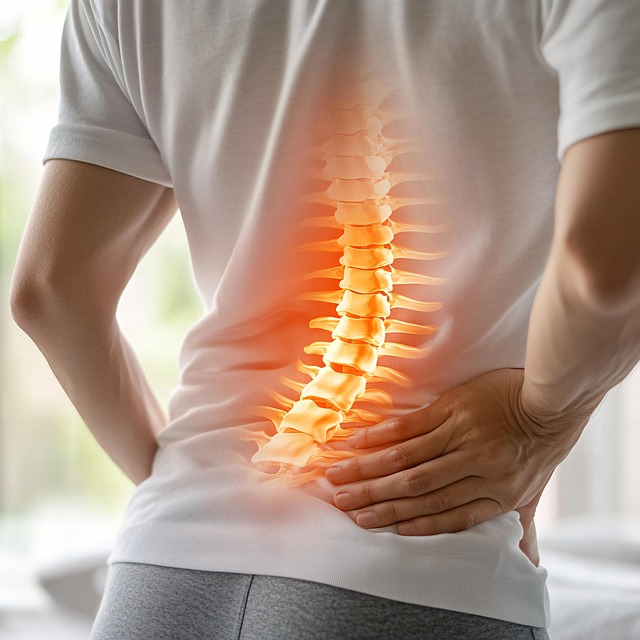
A rear-end crash can cause more than just physical injuries; it can also lead to significant postural changes. Understanding these alterations is crucial for effective recovery and long-term health. Immediately after such an accident, many individuals experience muscle tension, stiffness, and pain in their neck, shoulders, and back. These symptoms often manifest as a result of sudden jolts and forces exerted upon the body during the collision, causing misalignment in the spine and affecting overall posture.
Chronic postural issues can develop if left unaddressed, leading to complications such as chronic pain, headaches, and even respiratory difficulties. It's important to recognize that traditional treatments may not always provide lasting relief. For instance, while over-the-counter medications can offer temporary pain relief, they don't address the underlying structural problems. Herein lies the significance of adopting a natural approach to recovery, particularly through corrective chiropractic care, which focuses on realigning the spine and restoring proper body mechanics.
Chiropractors skilled in accident-related injuries employ specialized techniques to identify and correct postural abnormalities. These methods include manual adjustments, specific exercises, and lifestyle recommendations. A study published in the Journal of Chiropractic Medicine found that corrective chiropractic care significantly improved postural balance and reduced pain symptoms in patients who had experienced rear-end crashes. By promoting self-healing and enhancing spinal health, this holistic approach empowers individuals to regain control over their posture and overall well-being after an accident.
Corrective Chiropractic Techniques for Natural Healing

Posture correction after a rear-end crash is a crucial aspect of holistic recovery. Many victims often experience not just physical injuries but also long-term postural issues. Corrective Chiropractic offers a natural healing approach to address these challenges, focusing on the spine and its alignment as the foundation for overall health. This technique recognizes that even minor accidents can disrupt the body's natural balance, leading to misalignments that over time can compound into more severe structural problems.
Chiropractors skilled in corrective chiropractic techniques employ a variety of safe, gentle adjustments to realign the spine, releasing tension on nerves and muscles, and promoting self-healing mechanisms within the body. For example, specific adjustments may target the thoracic spine, which plays a critical role in supporting posture and respiratory function. Research indicates that corrective chiropractic care can significantly improve postural alignment and reduce pain after auto accidents, offering a non-invasive alternative to surgery or prolonged medication.
Beyond immediate relief from pain and discomfort, regular corrective chiropractic sessions over several weeks can lead to lasting postural improvements. Patients often report better standing and sitting postures, reduced muscle tension, and enhanced overall mobility. This natural healing approach empowers individuals to take an active role in their recovery, fostering a sense of empowerment and self-care as they learn to maintain their newfound improved posture.
Lifestyle Adjustments to Prevent Future Posture Issues

Maintaining good posture after a rear-end crash is crucial for preventing future postural issues. While immediate injuries may be evident, long-term consequences can arise from poor posture, including chronic pain, muscle strain, and joint degradation. Lifestyle adjustments play a pivotal role in recovering and correcting postural imbalances caused by accidents.
One effective approach to improving posture naturally is through corrective chiropractic care. Chiropractors specialize in diagnosing and treating mechanical disorders of the musculoskeletal system, focusing on the spine and nerves. Corrective chiropractic techniques can help realign the spine, relieve pressure on nerves, and promote balanced muscle activation, thereby addressing the root causes of postural imbalances. For instance, a study published in the Journal of Chiropractic Medicine found that patients with whiplash-related postural disruptions showed significant improvements after corrective chiropractic adjustments.
Incorporating regular exercise tailored to strengthen core muscles and improve flexibility is another essential strategy. Core stability exercises, such as plank holds and bird dogs, help reinforce the spine's natural curve and support overall posture. Additionally, stretching routines targeting tight or imbalanced muscles can alleviate postural issues. Yoga and Pilates are excellent low-impact activities that promote better alignment and body awareness. These exercises not only enhance flexibility but also strengthen the deep stabilizing muscles that play a critical role in maintaining good posture throughout daily activities.
Maintaining a mindful approach to posture is equally vital. Being conscious of one's alignment while sitting, standing, and sleeping can prevent the exacerbation of postural problems. Ergonomic adjustments at work or home, such as using proper chair support and adjusting computer screen heights, can significantly reduce strain on the body. Additionally, breaking up prolonged periods of static postures with regular movement breaks can help maintain muscle balance and circulation, promoting better overall posture.
In light of the insights presented, it's clear that recovering from a rear-end crash involves more than just physical healing. Understanding postural changes, employing corrective chiropractic techniques, and making strategic lifestyle adjustments are key to addressing and preventing future postural issues. By integrating these comprehensive strategies, individuals can promote natural healing and restore their body's alignment and balance. The article has equipped readers with the knowledge to make informed decisions, emphasizing the role of corrective chiropractic as a powerful tool for managing and overcoming postural challenges stemming from accidents. This authoritative guide underscores the importance of proactive care, enabling individuals to take control of their well-being and navigate toward improved posture and overall health.