
Forward head posture (FHP), caused by sedentary lifestyles, screen time, accidents, or poor ergonomics, leads to muscle imbalances and health risks. Corrective chiropractic care offers a natural, holistic treatment combining manual adjustments, exercises, and ergonomic guidance to realign the spine, reduce tension, and educate patients on maintaining improved posture, preventing future FHP deterioration. This non-invasive approach, backed by research, significantly improves postural alignment and pain reduction, accelerating recovery after accidents.
Forward head posture has become a prevalent concern in modern society due to increased sedentary lifestyles and technological advancements. This condition, characterized by an excessive forward leaning of the head and neck, can lead to significant musculoskeletal issues and chronic pain. Individuals often seek relief after accidents or prolonged poor posture, yet conventional treatments may not always address the root cause effectively. Corrective chiropractic care offers a natural approach to managing forward head posture, focusing on realigning the spine and restoring proper balance, thereby providing lasting relief without invasive procedures. This article delves into the intricacies of this treatment method.
- Understanding Forward Head Posture: Causes and Impact
- Corrective Chiropractic: Natural Treatment Approach
- Post-Accident Recovery: Restoring Optimal Posture
Understanding Forward Head Posture: Causes and Impact
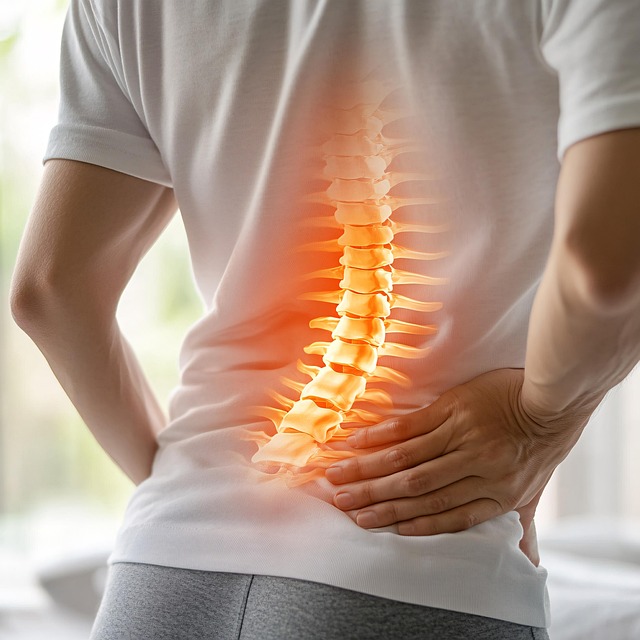
Forward Head Posture (FHP) is a common postural deviation characterized by an excessive forward displacement of the head relative to the spine, often leading to a rounded shoulder posture. This condition has become increasingly prevalent in modern society due to prolonged sedentary behavior, excessive screen time, and poor ergonomic habits. Chiropractors play a vital role in identifying and treating FHP, as it can have significant impacts on overall health and well-being.
The causes of FHP are multifaceted, with a significant proportion of cases attributed to lifestyle factors such as occupational demands (e.g., prolonged computer use), inadequate physical activity, and poor postural habits. Accidental or traumatic events, like car accidents, can also contribute to the development of FHP. In these situations, the impact can disrupt the natural alignment of the spine, leading to a compensatory mechanism where the head shifts forward to maintain balance. Over time, this can result in muscle imbalances, joint restrictions, and altered neurological function.
The impact of FHP is profound, affecting not only the musculoskeletal system but also respiratory function, cardiovascular health, and even cognitive performance. Research has shown that individuals with FHP often experience neck pain, headaches, and reduced lung capacity due to restricted rib cage mobility. Moreover, studies have linked prolonged FHP to an increased risk of developing chronic conditions such as degenerative disc disease and spinal stenosis. Corrective chiropractic care offers a natural and effective approach to addressing postural issues resulting from accidents or lifestyle factors. Chiropractors utilize a combination of manual adjustments, exercises, and ergonomic guidance to correct the spine's alignment, reduce muscle tension, and promote improved postural habits. This holistic treatment not only alleviates symptoms but also helps prevent the progression of FHP and its associated health risks.
Corrective Chiropractic: Natural Treatment Approach

Forward head posture, a common issue often resulting from accidents or prolonged poor posture, is a growing concern among individuals leading active lifestyles. Chiropractors offer a natural treatment approach through corrective chiropractic care, focusing on realigning the spine to restore proper head and neck positioning. This method not only addresses the visible symptoms but also targets the underlying structural imbalances that contribute to this postural problem.
Corrective chiropractic for forward head posture involves careful manipulation of the cervical spine, often combined with specific exercises and lifestyle adjustments. By gently adjusting the vertebrae to their optimal positions, chiropractors can reduce pressure on the nerves and muscles, allowing the body to heal naturally. Research suggests that corrective chiropractic care has shown promising results in improving postural alignment and reducing associated pain symptoms. A study published in the Journal of Chiropractic Medicine found that patients with forward head posture experienced significant improvements in neck flexibility and overall postural balance after a series of corrective adjustments.
The benefits extend beyond physical improvements. Corrective chiropractic treatment empowers individuals to take charge of their long-term health by teaching them about the intricate connection between structural integrity and overall well-being. By adopting specific exercises and ergonomic habits, patients can maintain their corrected posture, preventing future relapsing and promoting a healthier lifestyle. This natural approach not only treats existing conditions but also serves as a proactive measure against age-related postural deterioration, ensuring individuals remain active and comfortable throughout their lives.
Post-Accident Recovery: Restoring Optimal Posture

Post-accident recovery is a critical phase where proper care can significantly impact an individual's long-term health, especially regarding forward head posture. Chiropractors play a pivotal role in helping patients restore optimal spinal alignment and address the common postural issues that often arise after traumatic events. Many individuals suffer from forward head posture (FHP) as a result of car accidents, sports injuries, or even routine falls, leading to chronic pain and reduced quality of life.
Corrective chiropractic care offers a natural and effective approach to treating FHP and related conditions. Chiropractors utilize a range of techniques, including manual adjustments, specific exercises, and ergonomic guidance, to correct spinal misalignments caused by accidents. A study published in the Journal of Chiropractic Medicine found that patients with FHP who underwent corrective chiropractic treatment reported substantial improvements in neck pain and overall posture after just a few weeks of care. This non-invasive method not only helps alleviate acute symptoms but also educates patients on maintaining improved postural alignment, reducing the risk of future complications.
For instance, a patient involved in a car crash may present with FHP, headaches, and limited neck mobility. A chiropractor will assess the individual's posture, identify specific spinal misalignments, and employ corrective adjustments tailored to their needs. This might involve gentle manipulation to realign the spine, coupled with recommendations for targeted exercises to strengthen supporting muscles. Additionally, the chiropractor may suggest lifestyle modifications, such as improving workstation setup or introducing ergonomic aids, to prevent further postural degradation. By addressing FHP proactively, individuals can accelerate recovery, reduce pain, and regain control over their physical well-being.
In conclusion, understanding forward head posture—its causes and adverse impacts—is a crucial first step toward effective treatment. The article highlights corrective chiropractic as a powerful, natural approach to addressing postural issues. By focusing on restoring optimal posture, especially after accidents, this holistic method offers a promising solution. Key insights include recognizing the role of muscle imbalances, spinal misalignments, and lifestyle factors in causing forward head posture, as well as the importance of professional guidance for safe and effective correction. Readers now possess valuable knowledge to take informed actions, such as consulting a qualified chiropractor for personalized care, adopting postural awareness exercises, and implementing ergonomic improvements to prevent further deterioration. This comprehensive guide underscores the effectiveness of corrective chiropractic in naturally treating postural issues resulting from accidents, promoting long-term health, and enhancing overall well-being.