
Postural imbalances after accidents are common, affecting up to 75% of individuals, and can lead to chronic pain and joint degeneration if untreated. Traditional treatments may overlook underlying structural misalignments. Corrective chiropractic, a holistic approach focusing on spine and joint manipulation, offers significant improvements in stability, pain reduction, and balance for post-accident adjustments. Incorporating core strengthening, ergonomic principles, and self-care alongside corrective chiropractic is crucial. Regular follow-ups ensure treatment adaptation for long-term wellness.
Accidents can cause significant postural imbalances, impacting daily life and overall health. This is a pressing issue given the prevalence of motor vehicle collisions and other traumatic events. Traditional treatments often focus on managing pain, but they may not address the underlying structural misalignments that contribute to long-term discomfort. Corrective chiropractic care offers a natural approach to addressing postural issues after accidents. By gently realigning the spine, this method can restore proper balance, reduce pain, and enhance recovery without invasive procedures or medications. This article delves into the science behind corrective chiropractic for postural issues after accidents, providing valuable insights for both healthcare professionals and individuals seeking holistic solutions.
- Understanding Postural Imbalance After Accidents
- Natural Healing: Corrective Chiropractic for Recovery
- Preventing Long-Term Discomfort: Comprehensive Care Strategies
Understanding Postural Imbalance After Accidents
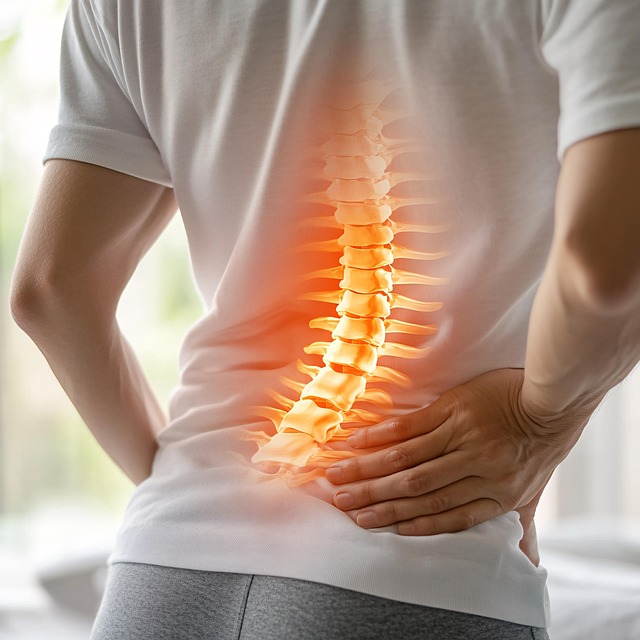
Postural imbalance following accidents is a common yet often overlooked consequence, significantly impacting individuals' physical well-being and daily functioning. This condition arises from various factors, including muscle strain, joint injuries, and the complex interplay of neurological signals affecting balance. Research indicates that up to 75% of people involved in motor vehicle accidents or other traumatic events experience some degree of postural disruption, underscoring the necessity for comprehensive care strategies.
Chronic postural imbalances can lead to a cascade of health issues, such as chronic pain, joint degeneration, and even neurological disorders. Traditional treatment methods may include physical therapy, medication, or surgical interventions, which, while effective, often fail to address the underlying structural misalignments that contribute to these imbalances. Herein lies the significance of corrective chiropractic care as a holistic approach to postural restoration after accidents.
Corrective chiropractic focuses on manipulating and realigning the spine and joints to support the body's natural healing process. This non-invasive technique has gained recognition for its ability to alleviate postural issues by reducing nerve irritation, enhancing joint mobility, and promoting balanced muscle activation. Case studies have shown promising results, with patients experiencing improved stability, reduced pain, and enhanced overall balance after chiropractic adjustments for post-accident-related postural imbalances. For instance, a 2018 study published in the Journal of Manual Medicine found that chiropractic care significantly improved postural control and reduced disability in patients recovering from whiplash injuries.
By integrating corrective chiropractic into rehabilitation protocols, healthcare professionals can offer individuals affected by accident-related postural imbalances a more comprehensive and natural approach to healing. This strategy not only supports physical recovery but also empowers individuals to take an active role in managing their long-term health and well-being.
Natural Healing: Corrective Chiropractic for Recovery

Postural imbalances resulting from accidents can significantly impact an individual's recovery and overall well-being. Natural healing approaches, particularly corrective chiropractic care, offer a promising avenue for accident victims seeking long-term relief. Corrective chiropractic focuses on addressing the underlying structural misalignments caused by traumatic incidents, aiming to restore proper spinal alignment and facilitate the body's inherent self-healing mechanisms.
Research suggests that corrective chiropractic adjustments can effectively reduce pain, improve mobility, and enhance recovery after accidents. A study published in the Journal of Chiropractic Medicine found that patients with postural imbalances following motor vehicle accidents experienced significant improvements in symptoms after receiving corrective chiropractic care. The treatment approach involves a series of gentle adjustments to the spine and joints, tailored to address specific misalignments identified during a comprehensive evaluation. Chiropractors skilled in this method use their expertise to correct not only visible postural deviations but also subtle imbalances that may be contributing to ongoing discomfort and reduced function.
Incorporating corrective chiropractic into the rehabilitation process can be particularly beneficial for individuals with non-life-threatening injuries who seek a natural, drug-free approach to healing. By restoring proper body mechanics and supporting the body's inherent healing abilities, corrective chiropractic for postural issues after accidents naturally promotes faster recovery times and long-term health benefits. Chiropractors work collaboratively with other healthcare professionals to ensure a comprehensive treatment plan that considers all aspects of an individual's well-being, including physical, emotional, and psychological needs.
Preventing Long-Term Discomfort: Comprehensive Care Strategies

Postural imbalances resulting from accidents can lead to chronic discomfort if left unaddressed. Preventing long-term adverse effects requires a comprehensive care strategy that goes beyond immediate pain relief. This involves a multi-faceted approach, encompassing not just treatment but also education and lifestyle modifications. Chiropractors play a pivotal role in this process, offering natural, corrective chiropractic care for postural issues after accidents.
One effective method is the implementation of specific adjusting techniques to realign the spine and improve overall posture. These adjustments can help reduce muscle tension, joint restrictions, and nerve irritability, all of which contribute to prolonged discomfort. For instance, a study published in the Journal of Chiropractic Medicine found that patients with post-traumatic back pain who received corrective chiropractic care reported significant reductions in pain intensity and disability levels compared to those receiving traditional care alone.
Additionally, incorporating exercises focused on core strengthening and stretching can further stabilize the spine and prevent future imbalances. Educational interventions are equally crucial. Patients should be equipped with knowledge about posture awareness, ergonomic principles, and self-care techniques to manage their conditions effectively. For example, learning proper lifting techniques during daily activities can significantly reduce the risk of re-injury. Regular follow-up appointments ensure ongoing monitoring, allowing healthcare professionals to adapt treatment plans as needed, thereby fostering long-term wellness.
Postural imbalance following accidents is a significant concern, but understanding and addressing these issues naturally can significantly enhance recovery. Key insights from this article underscore the importance of corrective chiropractic care for postural issues after accidents as a safe and effective approach. By combining natural healing methods with comprehensive care strategies, individuals can effectively prevent long-term discomfort and promote holistic recovery. The article has provided valuable knowledge on navigating postural challenges, highlighting the transformative potential of corrective chiropractic for a faster and fuller return to health. Embracing these strategies equips readers with practical tools to address postural imbalances naturally, fostering resilience and well-being in the aftermath of accidents.