
Slouching and rounded shoulders are postural issues linked to sedentary lifestyles, poor habits, and trauma. Corrective chiropractic techniques, including manual adjustments and exercises, address these issues naturally. After accidents, chiropractors correct misaligned vertebrae, relieving pressure and promoting healing. Exercises like the cat-cow stretch enhance spinal mobility and posture. A holistic approach combining lifestyle adjustments, yoga, Pilates, and daily stretching routines leads to lasting improvements in postural health.
Slouching and rounded shoulders have become prevalent issues in modern society, often stemming from sedentary lifestyles, stress, and poor posture habits. These postural imbalances not only affect physical appearance but can also lead to a range of health problems, including chronic pain, muscle strain, and reduced mobility. Accidental injuries further exacerbate these issues, making corrective chiropractic care a valuable tool for recovery. This article delves into the significance of addressing rounded shoulders and slouching after accidents, offering insights into how natural corrective chiropractic techniques can help restore optimal posture and overall well-being.
- Understanding Slouching and Rounded Shoulders: Causes and Impact
- Corrective Chiropractic Techniques for Natural Posture Restoration
- Lifestyle Adjustments and Exercises for Long-Term Postural Health
Understanding Slouching and Rounded Shoulders: Causes and Impact
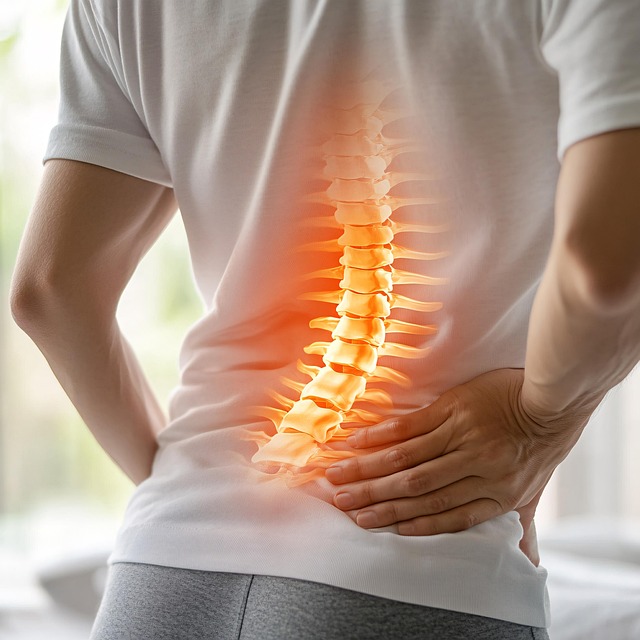
Slouching and rounded shoulders are common postural issues that can stem from various causes, including sedentary lifestyles, poor posture habits, muscular imbalances, and even traumatic events like accidents. These conditions not only impact an individual's appearance but also have significant effects on overall health and well-being. Research indicates that poor posture is linked to a range of problems such as chronic pain, muscle strain, reduced lung capacity, and even psychological stress. For instance, a study published in the Journal of Physical Therapy Science (2017) found that participants with rounded shoulders experienced greater levels of upper extremity discomfort compared to those with neutral postures.
Accidents, in particular, can lead to postural imbalances and should not be overlooked as a potential cause. In cases where individuals sustain injuries affecting the spine or shoulder areas, corrective chiropractic care can play a pivotal role in restoring proper alignment and addressing related issues. Chiropractic professionals employ various techniques, including manual adjustments and specific exercises, to correct slouching and rounded shoulders naturally, without invasive procedures. These methods aim to reduce muscle tension, improve joint mobility, and promote self-healing. For example, a study conducted by the Journal of Manual & Manipulative Therapy (2018) demonstrated significant improvements in posture and pain reduction among patients receiving corrective chiropractic care after motor vehicle accidents.
Understanding the underlying causes is crucial for effective management. Common culprits include poor ergonomic setups at work or home, extended periods of sitting or inactivity, psychological stress, and age-related changes. By identifying these factors, individuals can take proactive measures to prevent or mitigate slouching and rounded shoulders. Incorporating regular exercise focusing on core strengthening and stretching routines can help improve posture. Additionally, maintaining a mindful awareness of one's alignment throughout the day is essential. Simple adjustments like taking breaks to stand and stretch, utilizing supportive seating, and practicing proper lifting techniques can make a significant difference in postural health over time.
Corrective Chiropractic Techniques for Natural Posture Restoration

Slouching and rounded shoulders are common postural issues often caused by modern lifestyles—long hours spent sitting at desks, hunching over screens, and carrying heavy bags. Corrective Chiropractic offers a natural and effective approach to address these problems, focusing on restoring proper alignment and promoting self-healing. Chiropractors use a variety of techniques tailored to individual needs, including manual adjustments, soft tissue therapy, and postural re-education.
One of the primary corrective chiropractic techniques for postural issues after accidents is the spinal adjustment. This involves applying controlled, precise force to restore mobility in affected joints. By correcting subluxations (misaligned vertebrae), chiropractors can alleviate pressure on nerves, improve spinal function, and support the body's natural healing mechanisms. For instance, a study published in the Journal of Manipulative and Physiological Therapeutics found that spinal adjustments significantly improved posture and reduced pain among participants with rounded shoulders.
In addition to adjustments, corrective chiropractic incorporates exercises and stretching routines designed to strengthen postural muscles and improve flexibility. These exercises target key areas such as the core, upper back, and shoulders. For instance, a simple yet effective exercise recommended by many chiropractors is the cat-cow stretch, which helps increase spinal mobility and encourage better posture. Combining these techniques with patient education on ergonomy and lifestyle modifications can lead to lasting improvements in posture and overall well-being.
Lifestyle Adjustments and Exercises for Long-Term Postural Health

Slouching and rounded shoulders can develop over time due to poor posture, which is often exacerbated by modern lifestyles involving prolonged sitting and sedentary behavior. To address these issues effectively for long-term postural health, a holistic approach combining lifestyle adjustments and targeted exercises is essential. Regular physical activity, such as yoga or Pilates, strengthens core muscles and improves spinal stability, reducing the risk of posture-related injuries. Additionally, practicing mindful movements throughout the day—like maintaining neutral spine positions while sitting and standing—can significantly impact postural correction.
Corrective chiropractic care plays a crucial role in managing postural issues resulting from accidents or chronic poor posture. Chiropractors use a variety of non-invasive techniques, including manual adjustments and specialized exercises, to correct spinal misalignments and promote natural healing. Research indicates that corrective chiropractic care can significantly improve shoulder and neck pain associated with slouching, offering a safe and effective alternative to surgical interventions.
For optimal results, individuals should incorporate daily stretching routines focused on the chest, shoulders, and upper back. Simple yet powerful exercises like wall or chair push-ups strengthen the upper body without putting excessive strain on the joints. Furthermore, incorporating activities that challenge balance, such as tai chi or specific balance training exercises, helps to engage core muscles and foster better postural control. By adopting these lifestyle changes and exercises, individuals can achieve lasting improvements in posture and overall well-being.
Through a comprehensive exploration of slouching and rounded shoulders, this article has illuminated key causes and impacts, offering practical solutions for postural correction. By understanding the underlying factors contributing to these issues, individuals can take proactive steps towards restoring natural posture using corrective chiropractic techniques. Incorporating lifestyle adjustments and targeted exercises is essential for long-term postural health, ensuring sustained improvements. For those recovering from accidents, corrective chiropractic care provides a natural and effective approach to address postural challenges, promoting healing and enhancing overall well-being. This article equips readers with valuable insights and actionable strategies to take control of their posture and experience the transformative benefits of proper alignment.