
Posture assessment using advanced tools identifies structural misalignments after accidents, leading to corrective chiropractic techniques focusing on spinal realignment and neuromuscular regulation. Structured programs combine adjustments, exercises, education, and ergonomic guidance for significant posture improvements, reduced injury risks, enhanced mobility, flexibility, and overall well-being, empowering patients with long-term solutions.
Posture, a reflection of our overall health and well-being, plays a pivotal role in our daily lives. However, accidents can disrupt this delicate balance, leading to long-term postural issues. Corrective chiropractic care emerges as a natural and effective solution for these challenges, focusing on the intricate relationship between the spine and posture. This article delves into a comprehensive, long-term strategy for posture correction, emphasizing chiropractic adjustments, lifestyle modifications, and personalized exercises tailored to address specific postural imbalances stemming from accidents. By exploring these evidence-based approaches, we aim to empower individuals with knowledge and tools essential for achieving and maintaining optimal spinal alignment and overall health.
- Assessing Posture: Identifying Long-term Correction Needs
- Corrective Chiropractic: Natural Approaches for Accident-related Issues
- Developing a Personalized Plan: Sustaining Improved Posture Over Time
Assessing Posture: Identifying Long-term Correction Needs
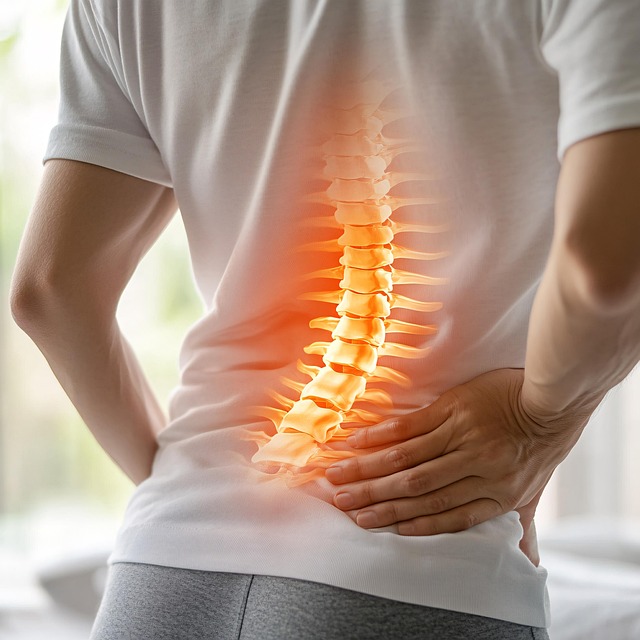
Posture assessment is a critical step in developing an effective long-term plan for correcting postural issues, especially after accidents or traumatic events. Chiropractors play a pivotal role in identifying these needs, as they have the expertise to analyze not just the visible aspects of posture but also the underlying causes and potential impact on overall health. This involves a multi-faceted approach that goes beyond simple visual inspection. For instance, using tools like gait analysis, muscle testing, and spinal imaging can provide comprehensive insights into how an individual's body compensates for imbalances or injuries.
One key area of focus is understanding the interplay between structural misalignments and neuromuscular function. Corrective chiropractic techniques are particularly effective in addressing these issues naturally, promoting healing without invasive procedures. For postural correction after accidents, this approach can be highly beneficial, as it not only helps to realign the spine but also supports the body's inherent ability to self-regulate. Research suggests that patients who undergo corrective chiropractic care for postural issues often experience improved pain management and increased functional capabilities over time.
Practical implementation involves a structured program tailored to each patient's unique needs. This typically includes regular sessions with a chiropractor for adjustments, coupled with exercises designed to strengthen postural muscles and improve flexibility. Patients are also educated on posture awareness and ergonomic principles to ensure that correct form is maintained throughout daily activities. By combining these strategies, healthcare professionals can facilitate significant improvements in posture, reduce the risk of future injuries, and promote overall well-being.
Corrective Chiropractic: Natural Approaches for Accident-related Issues

Postural correction after an accident is a critical aspect of recovery often overlooked, yet it significantly impacts overall health and well-being. Corrective Chiropractic offers a holistic and natural approach to addressing postural issues resulting from accidents, focusing on the spine's alignment and overall musculoskeletal balance. This method recognizes that the body has an innate ability to heal itself when properly supported.
Chiropractors skilled in corrective chiropractic techniques meticulously evaluate the patient's posture, identifying misalignments and compensations caused by the accident. Using gentle adjustments and specific exercises, they aim to restore proper spinal alignment and support the body's natural healing mechanisms. For instance, a study published in the Journal of Chiropractic Medicine found that patients with whiplash-related postural disturbances experienced significant improvements after corrective chiropractic care, showcasing its effectiveness in treating accident-related postural issues.
The benefits extend beyond physical symptoms. Corrective chiropractic for postural issues after accidents naturally promotes improved circulation, enhances flexibility, and reduces pain, enabling individuals to regain their mobility and strength. It empowers patients to take an active role in their recovery, providing them with tools to maintain optimal posture and prevent future injuries. By addressing the root cause of postural imbalances, corrective chiropractic offers a sustainable solution for long-term health and well-being, ensuring individuals can return to their daily lives with enhanced confidence and comfort.
Developing a Personalized Plan: Sustaining Improved Posture Over Time

Developing a personalized long-term posture correction plan is essential for sustaining improved posture over time, especially after postural issues resulting from accidents or injuries. This strategy involves a multi-faceted approach combining chiropractic care, physical therapy, exercise, and lifestyle adjustments. Corrective chiropractic techniques, particularly those focused on natural healing, play a pivotal role in aligning the spine and promoting overall postural balance.
Chiropractors skilled in treating postural issues after accidents employ various methods like manual adjustments, specialized exercises, and ergonomic guidance. For instance, a study published in The Journal of Chiropractic Medicine found that patients experiencing chronic pain from whiplash injuries showed significant improvements in neck mobility and reduced pain levels after receiving corrective chiropractic care. Moreover, incorporating specific strengthening and stretching exercises tailored to individual needs can further enhance the effectiveness of treatment.
Personalization is key to success. Each patient's posture correction journey is unique, influenced by their specific accident-related injuries, pre-existing conditions, and lifestyle factors. Chiropractors collaborate closely with patients to develop customized plans that address not only visible postural imbalances but also underlying biomechanical dysfunctions. This holistic approach ensures sustained results, reduces the risk of recurring issues, and promotes overall well-being.
Regular follow-ups are integral to maintaining progress. Chiropractors schedule periodic assessments to monitor improvements, adjust treatment as needed, and educate patients on long-term self-care strategies. By combining expert guidance with patient engagement, a personalized posture correction plan becomes an effective roadmap for achieving and maintaining optimal postural alignment naturally over time.
By assessing posture and identifying long-term correction needs, individuals can develop a personalized plan that leverages corrective chiropractic for postural issues after accidents naturally. This holistic approach emphasizes sustainability, ensuring improved posture over time. Key insights include the importance of natural, non-invasive methods, tailored to individual needs, and the benefits of addressing postural problems at their root cause. Readers now possess valuable tools to enhance their well-being, prevent future discomfort, and cultivate a stronger, healthier body. This authoritative article serves as a comprehensive guide, empowering individuals to take control of their posture and embrace a more active, pain-free life.