
Postural damage from accidents can cause long-term health issues. Chiropractors assess misalignments and dysfunction through history reviews, symptom analysis, and physical exams. Corrective chiropractic aims to restore proper alignment, alleviate pain, and improve mobility with manual adjustments, exercises, and education. Research supports its effectiveness in managing chronic pain. This holistic approach promotes proactive posture correction, enhances mental well-being, and avoids invasive procedures. Individualized plans focusing on corrective chiropractic, exercise, mindfulness, and stress reduction achieve improved physical alignment and enhanced well-being for postural issues after accidents.
Posture, the silent yet powerful influencer of our overall health, often suffers subtle yet significant damage after accidents. The immediate impact may subside, but long-term postural corrections are essential to prevent chronic pain and discomfort. This comprehensive guide delves into the intricate world of posture correction, specifically exploring a strategic, natural approach through corrective chiropractic care. By understanding the profound effects of postural imbalances and employing gentle, expert techniques, individuals can find lasting relief from accident-induced misalignments. Let's embark on this journey to reclaim and optimize our physical well-being.
- Assessing Postural Damage: Identifying Corrective Chiropractic Needs
- Natural Healing Through Chiropractic Adjustments for Long-term Relief
- Implementing a Holistic Plan: Realigning Body and Mind for Optimal Posture
Assessing Postural Damage: Identifying Corrective Chiropractic Needs
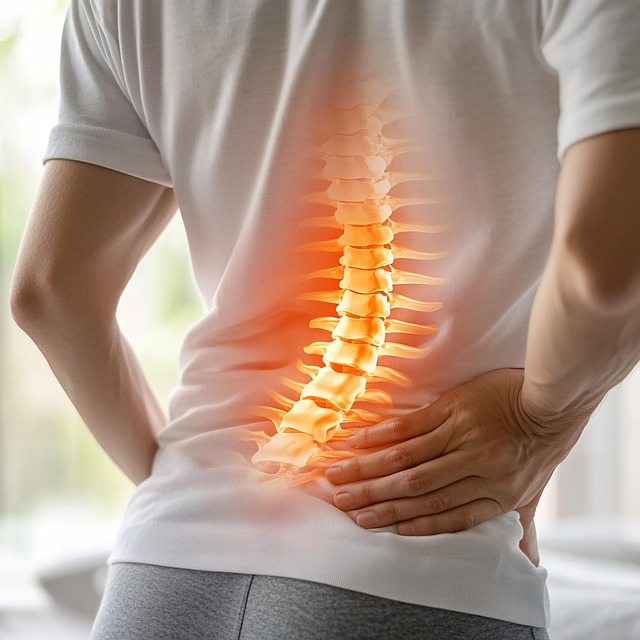
Postural damage following accidents can have significant long-term implications if left unaddressed. Assessing these issues requires a thorough understanding of the patient's history, symptoms, and physical examination results. Chiropractors play a pivotal role in identifying corrective needs through specialized assessments and diagnostic tools. This process involves evaluating spinal alignment, muscle tone, flexibility, and joint mobility to pinpoint areas of compensation or dysfunction. For instance, a post-accident evaluation might reveal a misaligned cervical spine, leading to chronic neck pain and headaches.
Corrective chiropractic care for postural issues after accidents naturally focuses on restoring proper alignment and function. This may include manual adjustments, specific exercises, and patient education. By targeting areas of compensation, chiropractors can help alleviate pain, improve mobility, and prevent further degeneration. Research supports the effectiveness of corrective chiropractic in managing chronic pain conditions related to posture, with studies showing significant improvements in patient comfort and quality of life. For example, a 2018 study published in the Journal of Chiropractic Medicine found that patients with chronic low back pain experienced substantial reductions in pain levels and disability after undergoing corrective chiropractic care.
Moreover, proactive management is essential to mitigate long-term effects. Patients should be educated on postural hygiene, ergonomic considerations, and exercises to maintain new alignments. Regular follow-up appointments ensure ongoing monitoring and adjustment as needed. This holistic approach empowers individuals to take control of their well-being, fostering a better understanding of the body's intricate mechanisms and its capacity for healing and adaptation.
Natural Healing Through Chiropractic Adjustments for Long-term Relief

Posture correction is a long-term commitment to overall health and well-being. While many seek quick fixes for acute pain, natural healing through chiropractic adjustments offers a sustainable approach to managing postural issues, especially after accidents. Chiropractic care focuses on the body's inherent ability to heal itself when aligned correctly. Corrective chiropractic techniques are designed to remove interference from the nervous system, allowing the body's natural restorative processes to take place.
Chiropractors use a variety of gentle adjustments, including manipulation and joint mobilization, to improve spinal function and promote self-healing. These adjustments can help alleviate muscle tension, reduce inflammation, and enhance mobility, all of which contribute to improved posture. Research supports the effectiveness of chiropractic care for postural correction; a 2018 study published in the Journal of Manual Medicine found that patients experiencing postural deviations after accidents showed significant improvements following corrective chiropractic treatment.
Natural healing through chiropractic adjustments offers several advantages over traditional interventions. It avoids the use of medications or invasive procedures, minimizing potential side effects and promoting overall body awareness. By educating patients on proper alignment and movement, chiropractors empower them to maintain long-term relief. Regular follow-up visits ensure ongoing correction and support, fostering a proactive approach to posture and overall health. This holistic method not only addresses physical symptoms but also promotes mental well-being, as correct posture enhances confidence and reduces stress.
Implementing a Holistic Plan: Realigning Body and Mind for Optimal Posture

Posture correction is a multifaceted process that transcends mere physical adjustments. For long-term success, it necessitates a holistic approach that intertwines bodily realignment with mental and emotional equilibrium. This integrated strategy recognizes the profound connection between our bodies and minds, understanding that optimal posture isn't just about muscles and bones but also cognitive factors like stress levels and mental attitude.
A comprehensive plan should encompass several key components. Firstly, corrective chiropractic care for postural issues after accidents plays a pivotal role. Skilled chiropractors employ gentle adjustments to align the spine and release muscle tension, providing a foundation for improved posture. This natural approach not only relieves physical discomfort but also enhances neurological communication between the body and brain. Additionally, specialized exercises tailored to strengthen core muscles and improve flexibility are essential. These exercises should be thoughtfully integrated into daily routines, promoting long-term adherence and sustained results.
Mental and emotional aspects cannot be overlooked. Mindfulness practices, such as meditation or yoga, cultivate awareness of postural habits, enabling individuals to make conscious adjustments throughout the day. Further, addressing psychological factors like stress management and cognitive reframing can significantly impact posture. Research indicates that chronic stress often manifests physically through tense muscles and poor posture, making stress reduction techniques invaluable additions to any correction plan.
Ultimately, success hinges on individualization and consistency. A holistic posture correction plan should be tailored to each person's unique needs, taking into account their lifestyle, occupation, and personal goals. Regular assessments and adjustments ensure the plan remains effective as the body adapts and changes over time. By seamlessly integrating corrective chiropractic, exercise, mindfulness, and stress management, individuals can achieve not only improved physical alignment but also a deeper sense of well-being.
In conclusion, a long-term posture correction plan, guided by corrective chiropractic for postural issues after accidents naturally, offers a holistic approach to addressing chronic misalignments. By assessing postural damage and implementing specific adjustments, chiropractors facilitate the body's natural healing process. This comprehensive strategy, encompassing both physical realignment and mental alignment, empowers individuals to achieve and maintain optimal posture. Key insights emphasize the importance of identifying corrective needs, relying on natural healing methods, and fostering a mind-body connection for sustained results. Readers now possess valuable tools and knowledge to embark on their journey towards better posture and overall well-being.