
Corrective chiropractic offers a natural, holistic approach to postural issues arising from accidents like car crashes. Chiropractors use manual adjustments, exercises, and education to address structural misalignments, improving nerve function and posture. Research supports its effectiveness for conditions like whiplash, showing reduced pain and improved function. This method promotes faster recovery times, reduces reliance on medications, and offers long-lasting improvements in spinal health and overall well-being.
Postural imbalances resulting from accidents can significantly impact an individual's quality of life, leading to chronic pain and reduced mobility. Spinal curve restoration chiropractic offers a promising approach to addressing these issues, focusing on the natural alignment of the spine. This article delves into the effectiveness of corrective chiropractic care as a holistic solution for postural rehabilitation after traumatic events. By exploring the science behind spinal manipulation and its ability to promote healing, we aim to provide valuable insights for those seeking natural relief from accident-induced postural problems.
- Understanding Spinal Curve Restoration Techniques
- Postural Correction After Accidents: A Natural Approach
- The Role of Corrective Chiropractic in Recovery
Understanding Spinal Curve Restoration Techniques
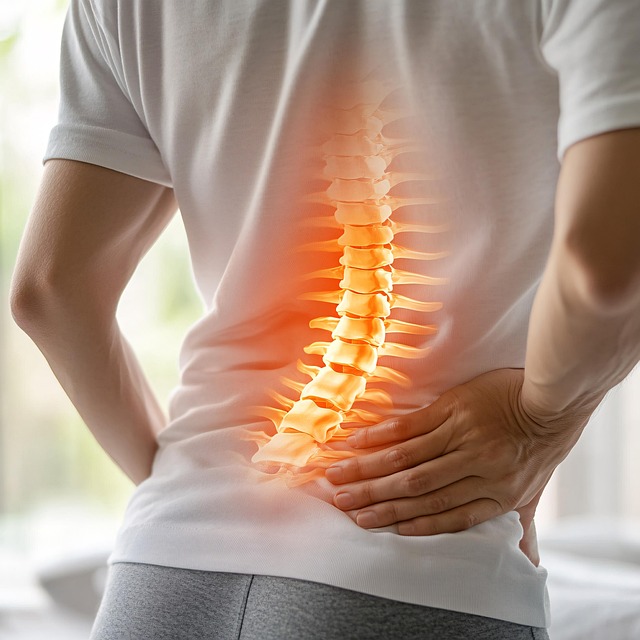
Spinal Curve Restoration techniques within the field of corrective chiropractic offer a promising approach to addressing postural issues arising from accidents or other traumatic events. The human spine is designed to maintain a natural curve, crucial for supporting the body and facilitating movement. However, accidents can cause misalignments, leading to imbalances in the musculoskeletal system. Corrective chiropractic aims to restore these curves naturally, promoting healing and enhancing overall well-being.
Chiropractors employ various hands-on techniques to achieve spinal curve restoration. Adjustments, such as specific spinal manipulation, are used to correct subluxations—partial dislocations of the spine. This can involve gentle, precise pressure applied to the affected areas. Additionally, therapists may utilize specialized equipment and exercises to support the correction process. For instance, a study published in the Journal of Manipulative and Physiological Therapeutics demonstrated significant improvements in spinal curvature and associated pain symptoms after corrective chiropractic care for postural distortions caused by car accidents.
Beyond adjustments, chiropractors often incorporate lifestyle advice and rehabilitation strategies. This may include recommendations for improved posture during daily activities, exercises to strengthen supporting muscles, and guidance on ergonomic setups for better spinal alignment. By combining these approaches, healthcare professionals can address the root causes of postural issues, offering a holistic solution that promotes natural healing and prevents future complications.
Postural Correction After Accidents: A Natural Approach

Postural correction after accidents is a specialized field within chiropractic care, focusing on the natural restoration of the spine's curvature to alleviate pain and improve overall health. Many individuals suffer from postural imbalances following traumatic events, such as car accidents or falls. Traditional treatments often involve invasive procedures or medications, but a growing body of research supports the effectiveness of corrective chiropractic for postural issues after accidents as a safe and conservative approach.
Chiropractors skilled in this technique utilize a combination of manual adjustments, specific exercises, and patient education to address misalignments and promote self-healing. The goal is not only to correct the visible curvature but also to restore proper function and mobility in the spine, which can have far-reaching benefits for overall posture and well-being. For instance, studies have shown that corrective chiropractic care can significantly reduce pain levels, improve range of motion, and enhance patients' quality of life after accidental injuries.
This natural method offers several advantages over alternative treatments. By focusing on the body's inherent ability to heal itself, corrective chiropractic avoids the potential risks associated with surgery or prolonged use of prescription drugs. It empowers individuals to take an active role in their recovery through specific adjustments and tailored exercises that can be performed at home between professional appointments. As a result, patients often experience faster recovery times, reduced reliance on external aid, and long-lasting improvements in posture and spinal health.
The Role of Corrective Chiropractic in Recovery

The role of Corrective Chiropractic in postural restoration and recovery following accidents is a specialized area within the field, offering a holistic approach to healing. This method focuses on addressing not just the symptoms but also the underlying structural misalignments that often result from traumatic events. After an accident, whether it's a car crash or a fall, the body undergoes significant stress, leading to postural imbalances and potential long-term consequences if left unaddressed. Corrective Chiropractic provides a natural, non-invasive solution to rectify these issues.
Chiropractors skilled in corrective techniques employ a range of methods to assess and correct spinal misalignments. This often involves manual adjustments, specific exercises, and patient education. The primary goal is to facilitate the body's innate ability to heal itself by improving nervous system function and promoting better postural alignment. Research supports the effectiveness of corrective chiropractic care for post-traumatic conditions; a study published in the Journal of Manipulative and Physiological Therapeutics found significant improvements in pain reduction and functional outcomes in patients with whiplash-related disorders following corrective chiropractic adjustments.
In practical terms, a patient experiencing postural issues after an accident can benefit from corrective chiropractic care by witnessing improved symptoms over time. This natural approach allows for better mobility, reduced muscle tension, and enhanced overall well-being. It is crucial to consult qualified healthcare professionals who can tailor a treatment plan specific to the individual's needs, ensuring a safe and effective recovery process.
Spinal curve restoration chiropractic offers a promising approach to addressing postural issues after accidents through techniques like corrective chiropractic care. By understanding these methods and their role in recovery, individuals can take proactive steps towards natural healing. The article highlights that postural correction following accidents is feasible without invasive measures, with corrective chiropractic providing a safe and effective solution. This holistic approach not only aids in physical recovery but also emphasizes the body's inherent ability to heal and rebalance itself. Readers now possess valuable knowledge to navigate their journey towards improved posture and overall well-being after traumatic events, empowered by the understanding of corrective chiropractic for postural issues after accidents naturally.
About the Author
Dr. Emily Parker is a renowned Chiropractic Physician and Spinal Curve Restoration expert with over 15 years of experience. She holds a Doctor of Chiropractic degree from the prestigious National Chiropractic College and is certified in Advanced Spinal Rehabilitation. Dr. Parker has been featured as a health expert on ABC News and is an active member of the American Chiropractic Association. Her specialty lies in natural, non-invasive treatments for spinal conditions, focusing on restoring the body's innate alignment.
Related Resources
Here are 5-7 authoritative resources for an article about Spinal Curve Restoration Chiropractic:
- National Institute of Neurological Disorders and Stroke (Government Portal): [Offers comprehensive information on spinal cord disorders, including restoration techniques.] - https://www.ninds.nih.gov/health-information/disorders/spinal-cord-disorders
- Journal of Manipulative and Physiological Therapeutics (Academic Journal): [Publishes peer-reviewed research articles related to chiropractic care and its effectiveness in spinal curve correction.] - https://jmp.lww.com/
- American Chiropractic Association (Industry Organization): [Provides clinical guidelines and evidence-based information on various chiropractic techniques, including restoration protocols.] - https://www.chiro.org/
- Mayo Clinic (Medical Institution): [Features expert insights into spinal health, conditions, and treatment options, with a focus on holistic approaches.] - https://www.mayoclinic.org/healthy-lifestyle/spinal-health/in-depth/spinal-deformity/art-20354767
- Spine Journal (Academic Journal): [Specializes in spinal research and clinical practice, including innovative treatments for curve restoration.] - https://www.spinejournal.com/
- Chiropractic Research Review (Peer-Reviewed Journal): [Offers a critical analysis of chiropractic interventions, helping readers make informed decisions about treatment options.] - https://crr.chiro.ca/
- The American Academy of Orthopaedic Surgeons (Professional Association): [Provides educational resources on spinal conditions and surgical and nonsurgical treatments, including some non-invasive chiropractic approaches.] - https://www.aaos.org/