
Corrective chiropractic for postural issues after accidents naturally offers a non-invasive approach to realigning spines, alleviating pain, and preventing long-term conditions. Chiropractors use advanced diagnostics to identify misalignments caused by accidents or lifestyle factors, then implement tailored treatment plans combining adjustments, exercises, and ergonomic education. This holistic method has shown success in improving spinal posture and reducing pain for accident survivors, promoting overall health and wellness.
Maintaining proper spinal posture is paramount for overall health and well-being, especially after traumatic events like accidents. Postural issues can lead to chronic pain, reduced mobility, and even long-term health complications. Fortunately, corrective chiropractic care offers a natural and effective solution for realigning the spine and restoring balance. This article delves into the world of chiropractic, exploring how these experts utilize their knowledge and skills to address postural problems resulting from accidents, providing a roadmap to recovery and improved quality of life.
- Understanding Spinal Posture Realignment
- Corrective Chiropractic: A Natural Approach
- Recovery After Accidents: Expert Care
Understanding Spinal Posture Realignment
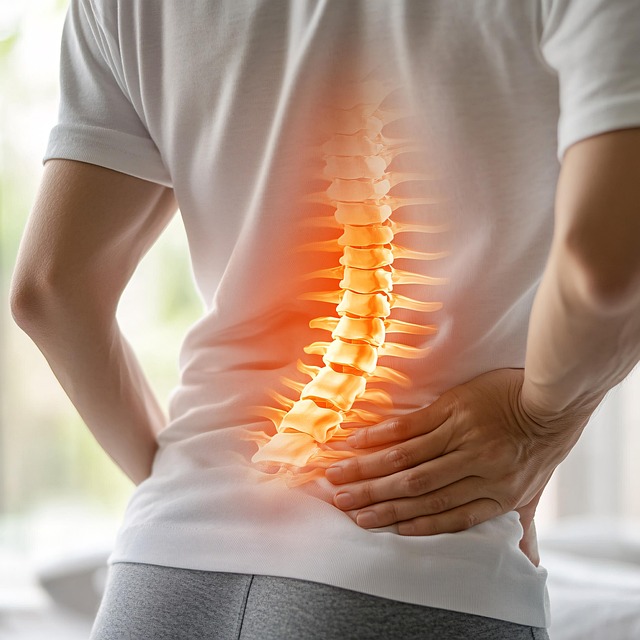
Spinal posture realignment is a critical aspect of overall health and well-being, often requiring professional intervention for optimal results. Chiropractors are specialists trained in diagnosing and correcting postural abnormalities through non-invasive methods, including adjustments and manipulations of the spine. This process aims to alleviate pain, improve neurological function, and restore balance to the body. Understanding the intricacies of spinal posture realignment is essential for individuals seeking relief from chronic pain or looking to prevent future musculoskeletal issues.
Postural imbalances can arise from a variety of factors, such as poor lifestyle choices, occupational hazards, or traumatic events like accidents. Corrective chiropractic care plays a pivotal role in addressing these issues naturally, without the need for surgery or heavy medication. For instance, research has shown that chiropractic adjustments can significantly reduce back pain and improve overall spinal health over time. The goal of corrective chiropractic for postural issues is not just to mask symptoms but to address the root causes, promoting long-term structural integrity and functional efficiency.
During an initial consultation, chiropractors utilize a range of diagnostic tools, including x-rays, physical examinations, and patient history reviews, to pinpoint specific areas of misalignment or dysfunction. Once identified, tailored treatment plans are developed, incorporating adjustments, exercise recommendations, and lifestyle modifications. For individuals who have experienced accidents, this holistic approach can be particularly beneficial, as it not only helps in the immediate recovery process but also prevents the development of chronic conditions that often arise from untreated postural damage. Regular check-ups and ongoing care ensure that any subtle shifts or new misalignments are promptly addressed, fostering a healthier, more balanced body.
Corrective Chiropractic: A Natural Approach

Corrective Chiropractic offers a natural approach to spinal posture realignment, which is particularly beneficial for individuals dealing with postural issues resulting from accidents or other traumatic events. This method focuses on addressing the underlying causes of poor posture rather than merely treating symptoms. Chiropractors skilled in corrective chiropractic techniques utilize their expertise to analyze and adjust the spine, promoting optimal alignment and balance. Such adjustments can help alleviate pain, improve mobility, and reduce the risk of future injuries.
For instance, a study published in the Journal of Manual & Manipulative Therapy found that corrective chiropractic care significantly improved spinal posture and reduced pain levels in patients who had experienced whiplash-related injuries. This demonstrates the effectiveness of this natural treatment in managing postural issues stemming from accidents. Corrective chiropractic for postural issues after accidents naturally involves a series of precise, controlled adjustments to the spine, often coupled with patient education on maintaining proper alignment through ergonomic practices and lifestyle modifications.
The benefits extend beyond immediate relief. Over time, as the spine returns to its natural state, patients may notice improvements in their overall health and well-being. Corrective chiropractic care can help prevent the progression of postural imbalances that can lead to chronic conditions such as degenerative disc disease or musculoskeletal disorders. By investing in this form of care, individuals not only gain relief from acute pain but also take a proactive step toward maintaining long-term spinal health.
Recovery After Accidents: Expert Care

Recovering from an accident can be a challenging process, particularly when it comes to spinal posture realignment. Chiropractors specializing in corrective chiropractic for postural issues after accidents offer expert care designed to alleviate pain, improve mobility, and expedite healing. These professionals employ non-invasive techniques such as adjustments, manipulation, and individualized rehabilitation programs to address the unique needs of each patient.
One of the key advantages of seeking chiropractor assistance post-accident is the emphasis on natural healing methods. Corrective chiropractic focuses on restoring the body's innate ability to self-regulate and heal itself. Through meticulous assessments and precise adjustments, chiropractors can help realign the spine, alleviate pressure on nerves, and promote better posture—all of which contribute to a faster recovery. Research supports these benefits; a study published in the Journal of Manual Medicine found that chiropractic care significantly improved pain reduction and functional outcomes for patients recovering from whiplash injuries.
Moreover, chiropractors often incorporate educational components into treatment plans, empowering patients with knowledge about self-care strategies. This includes posture awareness exercises, stretching routines, and recommendations for ergonomic improvements at home and work. By combining expert manipulation with patient education, corrective chiropractic offers a holistic approach to recovery, ensuring individuals not only heal but also gain the tools to maintain optimal spinal health long after their initial accident.
Through this authoritative exploration of chiropractic care for spinal posture realignment, readers gain invaluable insights into a natural approach to addressing postural issues. The article highlights the critical role of corrective chiropractic in recovering from accidents, emphasizing its effectiveness in alleviating pain and restoring proper alignment. Key takeaways include understanding the foundational principles behind spinal posture realignment, recognizing the benefits of non-invasive treatments, and appreciating the expertise required for safe and successful recovery. Moving forward, individuals seeking relief from postural problems after accidents are empowered to consider corrective chiropractic as a viable, natural solution, backed by the authoritative knowledge presented in this comprehensive guide.