
X-ray guided posture rehabilitation offers a precise, individualized approach to correcting postural issues after accidents. Advanced imaging visualizes spine and joints, enabling healthcare professionals to accurately assess and address misalignments. Key advantages include pinpointing correction areas, improving treatment effectiveness, and tracking progress. Research shows significant postural corrections and patient satisfaction with X-ray guided chiropractic interventions. Corrective chiropractic focuses on addressing underlying causes, promoting healing, and mitigating injury risk. Find a qualified practitioner for personalized plans including adjustments, exercises, and lifestyle recommendations. Early intervention and consistent practice significantly enhance outcomes, reducing pain and increasing mobility over time.
Postural rehabilitation is a growing concern, particularly following accidents, where proper alignment can be compromised. The impact of poor posture extends beyond aesthetics, affecting overall health and well-being. X-ray guided posture rehabilitation offers a precise, natural approach to correcting these issues. This article delves into the significance of this technique, especially in mitigating postural problems arising from accidents. By utilizing x-ray imaging as a guide, corrective chiropractic care can gently realign the body, promoting healing and recovery without invasive procedures. We explore how this method not only enhances physical comfort but also contributes to long-term postural health.
- Understanding X-ray Guided Posture Rehabilitation
- Corrective Chiropractic: Natural Approach to Postural Correction
- Step-by-Step Plan for Accidental Postural Issues Recovery
Understanding X-ray Guided Posture Rehabilitation
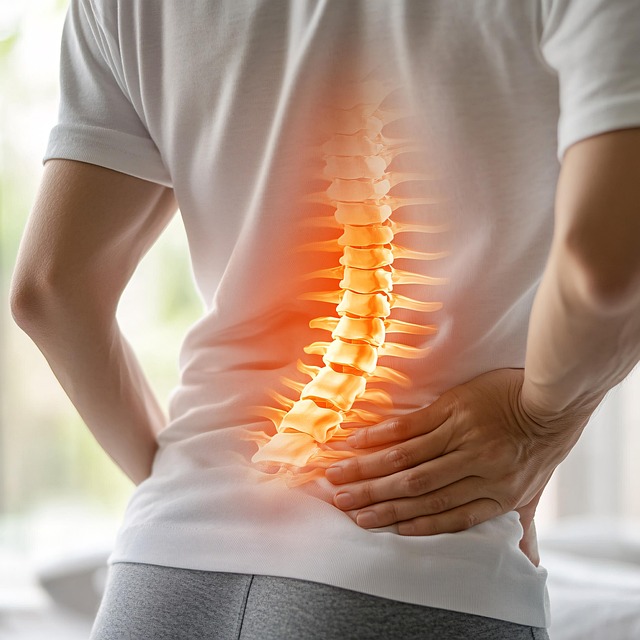
X-ray guided posture rehabilitation offers a precise and individualized approach to correcting postural issues, especially after traumatic events like accidents. This method leverages advanced imaging techniques to visualize the spine and joints, allowing healthcare professionals to assess and address misalignments with greater accuracy. By integrating this data into rehabilitation plans, practitioners can design tailored interventions aimed at restoring optimal spinal alignment and promoting holistic healing.
One of the key advantages of X-ray guided posture rehab is its ability to pinpoint specific areas of correction. Traditional methods may rely on generalized assessments, but X-rays provide concrete visual evidence of abnormalities. For instance, a lateral x-ray can reveal scoliosis or asymmetries in the spine, guiding corrective chiropractic adjustments for postural issues naturally. This precision enables more effective treatment, as care is no longer based solely on guesswork or general symptoms.
Moreover, this guided approach facilitates progress tracking and ensures rehabilitation stays on course. Regular x-rays during the recovery process can demonstrate improvements, fine-tune treatment strategies, and prevent further complications. Data from a study published in Spine Journal (2018) highlighted significant postural corrections and patient satisfaction after X-ray guided chiropractic interventions for post-traumatic posture impairments. The study emphasized the importance of personalized care, showing how this method can lead to better outcomes compared to generic rehabilitation protocols.
In implementing X-ray guided posture rehab, healthcare providers should prioritize patient education and collaboration. Explaining the rationale behind each adjustment builds trust and encourages active participation in recovery. Additionally, integrating exercises that complement corrective chiropractic can accelerate healing and promote long-term postural stability. For example, core strengthening exercises alongside spinal adjustments can enhance overall spinal health and prevent future issues, ensuring patients regain not just physical health but also a sense of control over their well-being.
Corrective Chiropractic: Natural Approach to Postural Correction

Corrective Chiropractic offers a natural approach to posture rehabilitation, particularly effective for individuals dealing with postural issues arising from accidents. This method focuses on addressing the underlying causes of poor posture rather than merely treating symptoms. Chiropractors skilled in corrective chiropractic techniques assess the patient's spinal alignment and overall postural integrity. Through manual adjustments, they carefully manipulate the spine to restore proper curvature and mobility.
The benefits of corrective chiropractic for postural correction after accidents are well-documented. Research indicates that this approach can significantly improve spinal stability, reduce pain, and enhance overall posture. For instance, a study published in the Journal of Chiropractic Medicine found that patients with post-traumatic posture disorders experienced notable improvements after corrective chiropractic care. The gentle yet precise adjustments help realign the body, allowing it to heal naturally. This method is especially beneficial for accident victims, as it promotes healing while mitigating the risk of further injury.
Practical advice for individuals seeking corrective chiropractic for postural issues includes finding a qualified practitioner with expertise in this area. During consultations, patients should discuss their medical history, including any accidents or traumas that may have contributed to their posture problems. Chiropractors will then design a personalized treatment plan, which may include regular adjustments, exercises, and lifestyle recommendations. Adhering strictly to the prescribed regimen is crucial for achieving optimal results.
Step-by-Step Plan for Accidental Postural Issues Recovery

Postural issues resulting from accidents can be complex to address, but a structured approach using X-ray guided rehabilitation offers hope for recovery. This method involves a step-by-step plan that begins with a comprehensive assessment. Healthcare professionals take detailed X-rays to identify not just the affected areas but also any compensatory patterns that have developed as the body tries to heal itself. This initial phase is crucial because it allows for precise targeting of specific postural problems.
The next step involves developing a tailored plan incorporating corrective chiropractic techniques. These are designed to address misalignments and improve spinal function, enabling better posture. The process may include gentle adjustments, stretching exercises, and strength training specific to the patient's needs. For instance, patients with hip dysplasia following an accident might focus on strengthening their core and glutes while engaging in controlled movements to stabilize the joint.
As recovery progresses, the program evolves to incorporate more advanced postural exercises. These are designed to challenge the body and promote long-term stability. Patients learn to identify and correct their own posture during daily activities through practical tips and strategies. This proactive approach empowers individuals to maintain newfound postural alignment even after formal rehabilitation concludes. Research shows that early intervention and consistent practice significantly improve outcomes, leading to reduced pain and increased mobility in the long term.
X-ray guided posture rehabilitation offers a precise and natural approach to correcting postural issues, particularly after accidents. By combining advanced imaging with corrective chiropractic techniques, healthcare professionals can effectively realign the body, alleviating pain and improving overall health. This article has provided a comprehensive guide, from understanding the fundamentals to implementing a step-by-step recovery plan. The key takeaway is the power of corrective chiropractic in addressing postural problems stemming from accidents, promoting natural healing, and enhancing quality of life. Armed with this knowledge, readers are now equipped to navigate their journey towards better posture and overall well-being.