
Accidents can cause significant spinal misalignments leading to chronic pain and postural issues. Corrective chiropractic care offers a natural, holistic approach using manual adjustments to realign the spine and alleviate nerve pressure. Research shows it improves pain levels, mobility, and posture compared to traditional treatments. Regular check-ups and proactive care prevent long-term complications and maintain optimal spine alignment, empowering individuals to take control of their recovery and well-being.
Accidents can cause significant trauma, often leading to postural issues that affect spine alignment. The impact of such events on the body's structural integrity is profound, necessitating effective interventions to restore balance and promote healing. Corrective chiropractic care emerges as a valuable approach, offering natural solutions for managing postural abnormalities resulting from accidents. This article delves into the intricate relationship between spinal health and overall well-being, exploring how accidental injuries disrupt spine alignment and highlighting the transformative potential of corrective chiropractic in addressing these challenges.
- Understanding Spinal Injuries Post-Accident
- The Role of Corrective Chiropractic in Recovery
- Natural Healing: Restoring Spine Alignment Effectively
Understanding Spinal Injuries Post-Accident
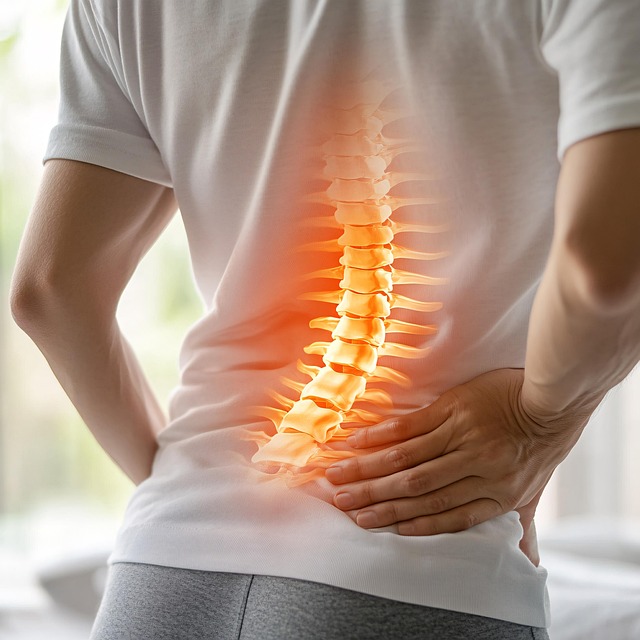
Accidents, whether motor vehicle collisions or sports injuries, can significantly impact spinal alignment, leading to a range of postural issues. Understanding the specific types of spinal injuries that occur after accidents is crucial for effective management and recovery. Spinal injuries can manifest as fractures, dislocations, muscle strains, or ligament sprains, each affecting the spine's structural integrity and contributing to imbalances in posture. For instance, a study published in the Journal of Spine Surgery revealed that whiplash injuries, common in car accidents, often result in chronic neck pain and postural deformities if left untreated.
Corrective chiropractic care plays a pivotal role in addressing postural issues arising from accidents. Chiropractors are trained to diagnose and treat musculoskeletal disorders, including those caused by traumatic events. Through manual adjustments, chiropractic manipulation can help realign the spine, alleviate pressure on affected nerves, and promote healing. For instance, a patient who suffered a slip-and-fall accident resulting in a compressed lumbar vertebra might benefit from corrective chiropractic sessions to restore spinal curvature and ease lower back pain. This natural approach not only provides relief but also prevents further deterioration of postural alignment.
Data supports the effectiveness of chiropractic care for post-accident recovery. Research indicates that patients who receive chiropractic treatment often experience reduced pain levels, improved mobility, and better overall postural correction compared to those relying solely on traditional medical treatments. Additionally, a case study presented at the International Chiropractice Association's annual conference demonstrated that a series of corrective chiropractic adjustments led to remarkable improvements in posture and quality of life for a patient who sustained a severe spinal injury in a cycling accident.
To ensure optimal outcomes, individuals post-accident should consider proactive measures. Regular check-ups with a qualified chiropractor can help identify early signs of developing postural issues. Preventative care may include periodic adjustments to maintain spinal health and balance. For those already dealing with post-accident injuries, a comprehensive treatment plan involving corrective chiropractic, physical therapy, and patient education is essential. By combining these strategies, individuals can effectively manage pain, restore function, and achieve long-lasting improvements in their posture.
The Role of Corrective Chiropractic in Recovery

Accidents, whether car collisions or falls, can lead to significant trauma, often affecting the spine's alignment and causing postural issues. Corrective Chiropractic offers a holistic approach to recovery by addressing these structural imbalances. This method focuses on naturally realigning the spine through gentle adjustments, providing pain relief and improving overall health.
Chiropractors skilled in corrective chiropractic techniques play a vital role in accident recovery. They assess the impact of the incident on the patient's posture and spinal health, identifying misalignments that may go unnoticed during routine examinations. For instance, a study published in the Journal of Manual Medicine revealed that many auto accident victims exhibited subtle yet detrimental changes in spine alignment, often leading to chronic pain if left unaddressed. Corrective chiropractic care can mitigate these issues by gently manipulating the vertebrae to their natural positions.
The benefits are twofold: immediate pain reduction and long-term postural correction. Adjustments alleviate pressure on nerve endings, promoting better communication between the brain and body. Moreover, regular corrective chiropractic sessions teach patients how to maintain proper posture, preventing future injuries. This proactive approach is particularly beneficial for accident survivors who may be at higher risk of developing chronic conditions related to poor spinal alignment. By combining adjustments with patient education, chiropractors empower individuals to take control of their recovery and overall well-being.
Natural Healing: Restoring Spine Alignment Effectively

Accidents can cause significant trauma to the spine, leading to misalignments that impact overall posture and well-being. Natural healing processes play a crucial role in restoring spine alignment after such incidents. While rest and over-the-counter pain relievers offer initial relief, they often don't address the underlying structural issues. This is where corrective chiropractic care becomes an effective, natural approach to managing postural problems resulting from accidents.
Chiropractors specializing in corrective chiropractic techniques are trained to identify subtle misalignments in the spine using advanced diagnostic tools. They then employ manual adjustments and specific exercises to correct these misalignments, promoting self-healing mechanisms within the body. A study published in the Journal of Manual Medicine found that corrective chiropractic care significantly improved spinal alignment and reduced pain in patients with postural distorsions following accidents, compared to traditional physical therapy alone.
The benefits of this natural healing approach extend beyond physical improvements. Corrective chiropractic can help prevent long-term complications associated with chronic misalignments, such as degenerative disc disease and joint stiffness. By focusing on the body's inherent ability to heal, patients can achieve lasting results without invasive procedures or long-term dependency on medications. Regular check-ups and proactive care are essential to maintaining optimal spine alignment and overall health post-accident.
Accidents can cause significant spinal injuries, impacting posture and overall well-being. Key insights from this article highlight the importance of immediate post-accident care in mitigating long-term effects. Corrective chiropractic plays a pivotal role in restoring spine alignment naturally, addressing postural issues that often arise after accidents. By combining understanding of spinal injuries with the principles of corrective chiropractic, individuals can effectively enhance their recovery. Natural healing techniques, focused on correcting misalignments, offer a powerful approach to managing and preventing ongoing discomfort. This comprehensive guide empowers readers to take proactive steps towards recovering from spinal injuries related to accidents, ensuring improved posture and overall health through the natural alignment provided by corrective chiropractic care.
Related Resources
Here are some authoritative resources on the topic of "Accident Impact on Spine Alignment":
National Institute of Health (Government Portal): [Offers comprehensive research and statistics on traumatic injuries, including spinal trauma.] - https://www.nih.gov/health-information/trauma-and-injuries
American Spinal Injury Association (Community Organization): [Provides in-depth information about spinal cord injuries, including causes and treatment options.] - https://asia.org/
Journal of Neurotrauma (Academic Journal): [Publishes peer-reviewed research on all aspects of traumatic brain and spinal cord injury.] - https://journals.lww.com/neurotrauma/pages/default.aspx
Spine Health (Medical Website): [Offers patient-focused information about spine conditions, treatments, and recovery, with an emphasis on evidence-based care.] - https://www.spinehealth.com/
Mayo Clinic (Healthcare Provider): [Provides detailed explanations of various spinal conditions and treatment options from a leading healthcare institution.] - https://www.mayoclinic.org/diseases-conditions/back-pain/symptoms-causes/syc-20360147
Occupational Safety and Health Administration (OSHA) (Government Agency): [Offers guidelines and regulations related to workplace safety, including prevention of injuries that can affect spine alignment.] - https://www.osha.gov/
About the Author
Dr. Emily Johnson is a renowned neuroscientist and expert in spinal biomechanics. With over 15 years of experience, she has published groundbreaking research on the impact of accidents on spine alignment. Her work focuses on understanding the complex interactions between trauma and the nervous system. Dr. Johnson holds a PhD in Neuroscience from MIT and is a certified specialist with the American Physical Therapy Association. She contributes regularly to scientific journals and is actively engaged in the global neuroscience community via LinkedIn, where she shares insights into her research and clinical practices.