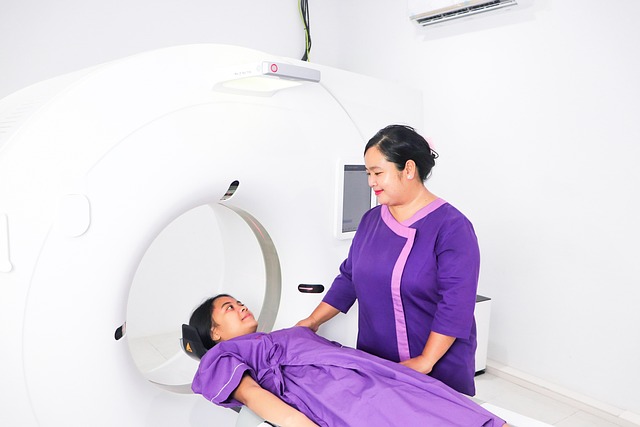
X-ray guided posture rehabilitation uses high-resolution X-rays and corrective chiropractic techniques for precise diagnosis and treatment of postural imbalances after accidents. This method offers objective measurements, visual feedback, and predictable corrections compared to traditional methods. It involves initial comprehensive evaluations, targeted adjustments to realign vertebrae, regular follow-up X-rays, and core-strengthening exercises. Corrective chiropractic plays a key role in naturally realigning the spine, reducing nerve irritation, and promoting faster healing and long-term improvements in posture and overall well-being.
Postural rehabilitation is a critical aspect of recovery for individuals who have suffered accidents, as proper alignment and balance are essential for overall health and well-being. Many conventional methods often involve lengthy and intensive regimens, leaving patients seeking more efficient, natural alternatives. This article delves into the transformative potential of X-ray guided posture rehabilitation, specifically exploring corrective chiropractic techniques for postural issues arising from accidents. By employing advanced imaging and precise adjustments, this approach offers a targeted, safe, and effective solution for restoring optimal spinal alignment and promoting overall health.
- Understanding X-ray Guided Posture Rehabilitation
- Corrective Chiropractic Techniques for Natural Postural Correction
- Integrating Exercise and Lifestyle Changes for Long-Term Postural Health
Understanding X-ray Guided Posture Rehabilitation
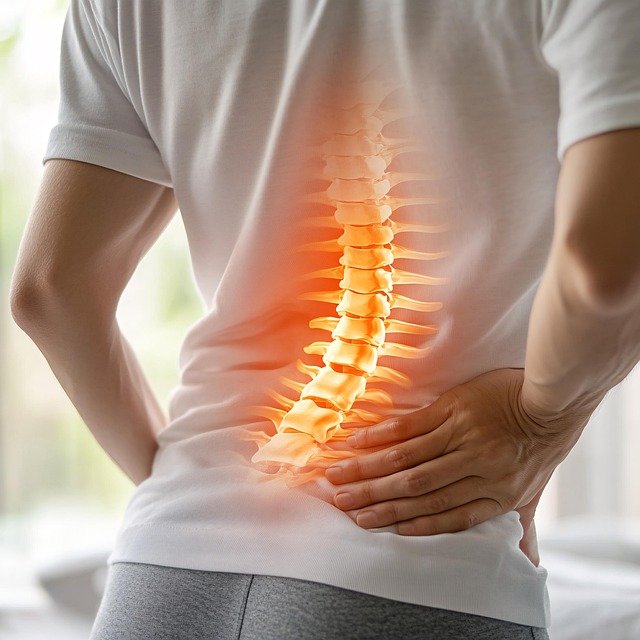
X-ray guided posture rehabilitation is a highly specialized and precise approach to correcting postural imbalances and structural misalignments in the musculoskeletal system. This method leverages high-resolution X-rays to visually assess the spine and joints, enabling chiropractors to make accurate diagnoses and develop tailored treatment plans. By integrating this technology with corrective chiropractic techniques, healthcare professionals can address a range of postural issues effectively.
One of the key advantages of X-ray guided posture rehab is its ability to provide objective measurements and visual feedback. Unlike subjective assessments, X-rays offer concrete data on vertebral alignment, joint angles, and overall spinal health. For instance, studies have shown that chiropractic adjustments, when guided by X-ray imaging, result in more consistent and predictable corrections compared to traditional methods alone. This level of precision is crucial for managing postural issues stemming from accidents or chronic poor posture, where achieving the correct correction is essential for long-term recovery and pain relief.
The process typically involves a comprehensive evaluation, where chiropractors analyze X-rays to identify areas of concern. Subsequently, they employ specific corrective chiropractic adjustments tailored to individual needs. For example, in cases of scoliosis or spinal misalignment post-accident, the chiropractor might utilize gentle but precise manipulation to realign the vertebrae and reduce pressure on affected nerves. Regular follow-up X-rays help monitor progress and ensure the treatment stays on track, allowing for natural correction without invasive procedures. This method not only promotes faster healing but also fosters a more sustainable improvement in posture and overall well-being.
Corrective Chiropractic Techniques for Natural Postural Correction

X-ray guided posture rehabilitation offers a precise and effective approach to correcting postural imbalances, especially following accidents. Corrective Chiropractic techniques play a pivotal role in this process, focusing on natural adjustments to align the spine and improve overall posture. This method goes beyond superficial treatments by addressing the underlying structural issues that contribute to poor posture.
Chiropractors utilize X-rays to assess the patient's spinal alignment and identify misalignments or subluxations. Once detected, specific corrective chiropractic adjustments are applied to restore proper spinal function. These adjustments can include gentle manipulations, joint mobilizations, and specialized techniques like instrument-assisted adjustment. The goal is to reduce nerve irritation, improve mobility, and encourage the body's natural healing response. For postural correction after accidents, this method allows for a tailored approach, considering the specific trauma experienced by the patient.
Research supports the effectiveness of corrective chiropractic care in managing postural issues. A study published in the Journal of Manual Medicine found that patients with chronic posture-related disorders experienced significant improvements after receiving corrective chiropractic treatments. These adjustments not only corrected spinal misalignments but also reduced associated pain and improved overall postural stability. Moreover, incorporating exercises targeting core strength and flexibility further enhances the benefits, fostering a more balanced and upright posture over time. Chiropractors often provide customized exercise routines to complement their adjustments, ensuring patients have the tools to maintain their newfound posture.
Integrating Exercise and Lifestyle Changes for Long-Term Postural Health

Postural rehabilitation is a multifaceted process that goes beyond mere exercise routines. For long-term health benefits, it demands a holistic approach integrating specific exercises tailored to address individual postural issues with lifestyle modifications. This synergistic strategy is particularly crucial following accidents or injuries, where corrective chiropractic care can play a pivotal role in naturally realigning the spine and restoring proper posture.
One effective method involves progressive strength training targeted at key muscle groups that support the musculoskeletal system. For instance, strengthening the core muscles, including the abdominals and back extensors, helps stabilize the spine and improve overall postural alignment. Similarly, exercises focusing on the hip flexors, quadriceps, and hamstrings can alleviate tension in the lower back, promoting a neutral spine position even during sedentary activities. Physical therapists or chiropractors can guide patients through these exercises, ensuring proper form to prevent further injuries.
Complementing exercise, lifestyle adjustments are integral to sustainable postural health. This includes adopting ergonomic habits at work and home, such as maintaining a balanced posture while sitting, standing, or lifting. Encouraging regular breaks throughout the day to stretch and move can significantly reduce static muscle tension. Additionally, promoting mindful activities like yoga or tai chi, which combine movement with breath control, enhances awareness of body alignment and fosters natural corrective postural responses. By integrating these strategies, individuals can actively manage their postural health, minimizing the risk of future accidents and promoting overall well-being.
X-ray guided posture rehabilitation offers a precise and effective approach to addressing postural issues stemming from accidents. By combining corrective chiropractic techniques with tailored exercise and lifestyle adjustments, individuals can achieve natural, lasting improvements in their posture. The article highlights the significance of understanding the underlying causes of postural abnormalities through X-ray analysis. Corrective chiropractic plays a pivotal role in realigning the spine and joints, facilitating the body's natural healing process. Integrating specific exercises targeted at strengthening relevant muscle groups and promoting better postural habits ensures long-term health and stability. Moving forward, individuals seeking to recover from accident-related postural issues should consider these comprehensive strategies. By collaborating with healthcare professionals who specialize in X-ray guided rehabilitation and corrective chiropractic, they can embark on a path towards regaining optimal posture and overall well-being.